emotions
538 Topics
Just diagnosed
Hi, I thought I would introduce myself here. I am 49 years old and have just been diagnosed (two days ago) with an Invasive Ductal Carcinoma in my left breast. HR+ HER 2 negative, provisional grade 1, 4 small lumps. Will be meeting my surgeon at RBWH next week on Wednesday. The last 11 days, since the Breast screen recall feel like a blur. So much has happened and of course I didn’t anticipate any of that (lumps aren’t palpable). I have been directed here by the wonderful nurse from the Breast Screen and am very grateful to find so much support and information. I haven’t told my kids or friends yet so it feels good to be able to open up here.247Views1like13Comments
Waiting, waiting, waiting….
Hi all, diagnosed 1st September, multifocal invasive lobular carcinoma. Surgeons appt scheduled for 17 September. Surgeon has referred me for an mri with contrast. The surgeon completed my biopsies (3) in breast screen clinic, so I’ve met her. My biggest question now is how long do you wait for the mri apointment? They acknowledge receipt of ‘urgent referral’ on 2nd of September and now it’s the 10th, they’re telling me they are waiting on ‘protocols’, my breast care nurse is wonderful and is following it up along with me, how long did you all wait? I thought I was coping not too bad, but today it all just seems really cruel……?202Views1like11Comments
Very difficult to listen the Podcast
Hi all, so I started listening to Charlotte's podcast. I just started the Episode 2. While this podcast is fantastic, I find it extremely hard to listen and my emotions just overcome me. I would love to know how is everyone going and what do you do to stay calm and not be a slobbering and emotional mess like me. 😔 Thank you everyone 💓327Views4likes19Comments📢 Loneliness & Social Isolation Research Study for People Living with Long-Term Health Conditions
Researchers from Monash University are looking for people with lived experience of loneliness or social isolation to take part in an important study. The research aims to better understand what makes support programs most useful, accessible and appealing for people living with long-term health conditions, including breast cancer. You may be eligible if you: ✅ Are aged 18 years or older ✅ Have experienced loneliness or social isolation (currently or in the past) ✅ Have been living with a diagnosed health condition for 12 months or longer. Examples include breast cancer, other cancers, heart disease, diabetes, anxiety, depression, arthritis, asthma and other long-term health conditions. 📝 What's involved? A confidential online survey taking approximately 25 minutes to complete. Participants can also choose to enter a prize draw to win one of ten $50 e-gift cards. Your feedback will help researchers design better support and social connection programs for people living with long-term health conditions. 🔗 Take the survey For research questions, contact: Sharon Clifford Monash University 📞 (03) 9902 4474 📧 [email protected] Thank you for considering this opportunity to share your experience and help shape future support services. 💗56Views0likes0Comments🌱Wednesday Wellness - Going through the (e)motions - 23Sep26🩷
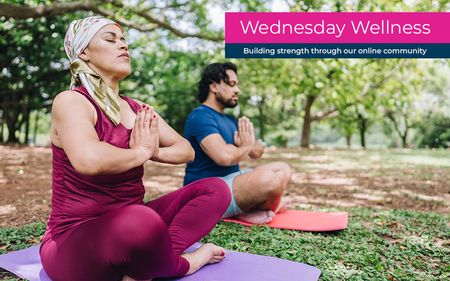
Breast cancer can bring a flood of emotions. Fear. Anger. Sadness. Grief. Frustration. Loneliness. Anxiety. Sometimes all in the same day. Sometimes all before breakfast. When we're focused on appointments, treatments, responsibilities, work, family, and simply getting through each day, it can be tempting to put our feelings in a box and tell ourselves we'll deal with them later. 📦 But emotions don't simply disappear when they're ignored. Feelings that aren't acknowledged can become stagnant, like water that stops flowing. They can build up slowly beneath the surface, showing up as stress, exhaustion, irritability, difficulty sleeping, feeling disconnected, or simply feeling "stuck". 💭💔 This doesn't mean we need to dwell on every difficult emotion or stay immersed in them. It means allowing them to move through us rather than getting trapped inside us. 🌊 Think of emotions as waves. Some waves are small and manageable. Others can feel overwhelming and powerful. The goal isn't to stop the waves from coming. The goal is to let them rise, be felt, and eventually pass. You might allow emotions to move through by: ✨ Talking honestly with someone you trust ✨ Writing your thoughts in a journal ✨ Crying when tears need to come ✨ Creating art, music, or crafts ✨ Taking a mindful walk outdoors ✨ Practising meditation or deep breathing ✨ Sharing your experience with others who understand ✨ Allowing yourself moments of joy without guilt Many people living with breast cancer feel pressure to "stay positive" all the time. While hope can be incredibly valuable, it's also okay to acknowledge when things are hard. 💗 You don't need to be strong every minute of every day. You don't need to justify your feelings. You don't need to rush your healing. Every emotion serves a purpose. When we give ourselves permission to feel what we're feeling, without judgement, we create space for healing, self-compassion, and resilience. 🌱💜 So this Wellness Wednesday, take a moment to check in with yourself: ❓ What emotion have I been carrying lately? ❓ Have I given it space to be acknowledged? ❓ What might help it move through me today? Remember, feelings are meant to flow, not stay frozen. You deserve the opportunity to process them with kindness and care. 🤗💙 📚 Resource Recommendation This book came across our Helpline office desk this morning, and it felt like the perfect timing. If you're looking for a gentle and supportive resource about navigating emotions, you may be interested in this helpful workbook by lived experience Dr Marion Roberts: fiinding steadiness after a breast cancer diagnosis. Written by Clinical Psychologist and breast cancer survivor Dr Marion Roberts, Finding Steadiness offers practical psychological understanding & tools (drawing from psychological therapies such as CBT & ACT) to help you steady your mind, reduce overwhelm, and move forward - one step at a time. Inside, you’ll find: - Accessible explanations of the psychological response to a cancer diagnosis - Simple stabilisation plans, regulation practices and psychological tools - Support for navigating information, decisions, and uncertainty - Scripts for managing difficult conversations - Guided worksheets to support reflection and help build a balanced mindset - Examples drawn from the author’s own lived experience - Prompted writing space to foster reflection, and build capacity over time Warm, compassionate, and clinically grounded, Finding Steadiness is designed to support you at your own pace, and as your capacity allows. The focus is not on getting things right, or being unrealistically strong. Instead, it is about creating enough steadiness, in your body and mind, to take the next step. 👉 Learn more and access the book here 💬 What helps you work through difficult emotions when life feels overwhelming? We'd love for you to share below. 💜✨41Views3likes0Comments
Feeling emotional
Hi, when I was first diagnosed a couple of months ago I went straight into survival mode, very focused on my clients (I work in mental health and disability), my business, and getting the treatment I needed. For quite a while it didn’t feel real, even with the appointments and scans and surgery. About two weeks post surgery it hit me and I have been very emotional ever since. With my clinical background I understand it, but I an nevertheless surprised by it. I know everything says it can be an emotional roller coaster, but I never expected the strength of it. I think I expected that once I had surgery and they confirmed it hadn’t spread that I would feel relieved, not still so tired and upset. Is anyone else comfortable sharing what their emotional journey is/has been?219Views0likes10Commentsdisassociation?
my surgery was cancelled for next Wednesday 12th til 26th last week I felt or knew that I wouldn’t be having surgery next week. now it’s been moved, I can’t even imagine it happening in two weeks. i don’t know if I’m in denial or disassociating. It doesn’t seem real. As if it’s happening to someone else. Has anyone else had this experience?109Views0likes4Comments📢 Share Your Experience: Emotional Wellbeing After Breast Cancer Treatment
Researchers from Federation University Australia are seeking Australian women who have completed active breast cancer treatment to take part in a short anonymous survey exploring: 💗 Self-compassion (being kind to yourself) 💗 Fear of cancer recurrence 💗 Emotional wellbeing after treatment By sharing your experiences, you'll help researchers better understand the emotional and psychological impacts of breast cancer and contribute to improving future support for those affected. You may be eligible if you: ✅ Are an Australian woman aged 18 or older ✅ Have completed active breast cancer treatment (surgery, chemotherapy and/or radiation therapy) ✅ Can complete a survey in English Please note: ongoing hormone therapy or medication after active treatment does not exclude you from participating. 📝 What's involved? • Anonymous online survey • Takes approximately 10-15 minutes • No identifying information is collected Complete the survey here Whether you finished treatment recently or many years ago, your experiences are valuable. Study Title: Self-compassion, Fear of Cancer Recurrence and Emotional Wellbeing in Breast Cancer After Active Treatment For more information, contact: Dr Bianca Denny 📧 [email protected] 📞 0411 221 847 Thank you for considering this opportunity to help shape future breast cancer support and care. 💗44Views0likes0Commentsa difficult day
Today was my PET scan & also a CT scan. Awful. but I did it. I’m just still struggling with the enormity of it all. It’s surreal. I feel like I’m in a bad dream. And on the scan table I was wondering how the hell I got here. I’m scared. I cry lots. I know I’ve posted this before 🫶🏻 it’s good to be able to get it out! Thanks for listening 🌸190Views3likes6Comments