awareness
39 TopicsFinally counted: A milestone for Victorians living with metastatic breast cancer
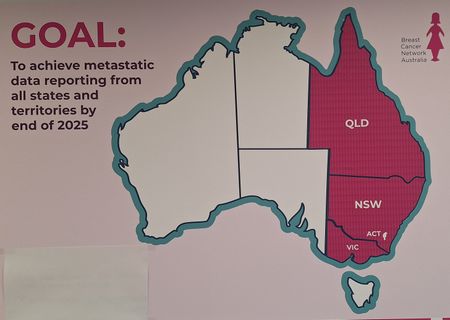
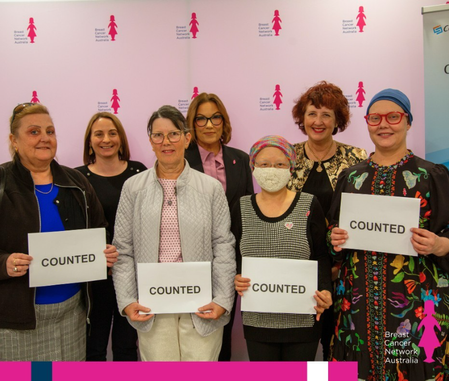
For the first time, Victoria has counted everyone living with metastatic breast cancer in the state, marking a major step forward for visibility, recognition, and support. New data released by the Victorian Cancer Registry (VCR) estimates that 4,461 Victorians are living with metastatic breast cancer, making them visible in the health system and ensuring their needs can are not overlooked. This achievement is the result of decades of consumer-led advocacy by Breast Cancer Network Australia (BCNA), collaboration with the Victorian Cancer Registry and Cancer Council Victoria, and the determination of women living with metastatic breast cancer who have long called for change. Read more via the link Finally counted: A milestone for Victorians living with metastatic breast cancer175Views8likes11CommentsAustralian women denied knowledge of their increased breast cancer risk
Approximately 10% of women have high breast density. At this point in time, thousands of Australian women are being denied important information about their breast health which could empower them to better understand and manage their risk of breast cancer. BCNA’s Director of Policy, Advocacy and Support Services, Vicki Durston, says Australia’s approach to population-based screening is not keeping pace with growing evidence that supports routine reporting of breast density. This due to the absence of national reporting standards and a lack of software in publicly funded screening services that can effectively measure breast density. “Every woman has the right to know and understand her breast cancer risk through standardised breast density reporting,” she says. “For those identified as high-risk or with high breast density, it is essential that clear options and pathways are available to support early detection and proactive risk management.” Breast Cancer Network Australia (BCNA) is currently advocating for a unified national approach to reporting breast density through Australia's national population-based breast screening program – BreastScreen. Mammography images showing the difference between spotting cancer in a fatty breast (top) vs dense breast (bottom). It's like "spotting a snowman in a snow storm". You can read BCNA's media release via the link Australian women denied knowledge of their increased breast cancer risk Read ABC's feature piece on our advocacy efforts: Mandatory breast density reporting529Views5likes19CommentsEvery story counts
3,863 Queenslanders living with metastatic breast cancer have been counted, ending years of invisibility for this community and making sure they are seen and recognised in the health system for the first time. When we recognise the real people behind the data, we can create positive change for all, and help shape better care, support and research for Australians affected by breast cancer. Now is the time for other state and territories to act, and make sure every Australian living with metastatic breast cancer is seen, heard, and counted. Read more via the link Landmark step for women with metastatic breast cancer in Queensland149Views4likes6CommentsStop telling women they are too young to have breast cancer
Early-onset breast cancer now accounts for over one-fifth of all breast cancer cases in Victoria, with 1,067 diagnoses out of 5,197 breast cancer cases. The increase is indicative of a national trend. Breast Cancer Network Australia (BCNA) is calling for greater awareness, more research, and tailored prevention efforts to address the steady increase in breast cancer diagnoses among women aged 25 to 49, as highlighted in Cancer Council Victoria’s Cancer in Victoria 2023 report. For more information, read BCNA's Stop telling women they are too young to have breast cancer media release.475Views4likes11CommentsHow well do you know your breasts? 👀🩷
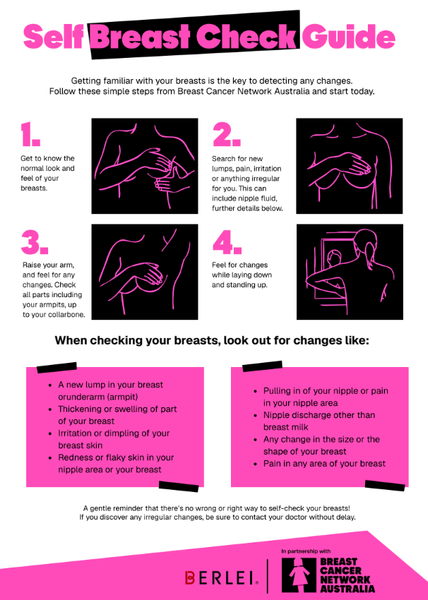
Taking a few minutes each month to know yourself and feel yourself can help you become familiar with how your breasts normally look and feel, making it easier to notice any changes that may need attention. 🔍 When checking your breasts, look and feel for changes such as: A new lump or thickening • Changes in breast size or shape • Dimpling, puckering, or skin changes • Nipple changes or discharge • Persistent pain in one area of the breast or underarm Remember, many breast changes are not cancer, but it's always important to discuss any new or unusual changes with your GP. 💡 There is no "perfect" way to self-check. Some people do it in the shower, while getting dressed, or when applying moisturiser. The key is finding a routine that works for you. For those who have had breast cancer treatment, self-checking can feel different. Surgery, radiation, reconstruction, and ongoing treatments may change how your breasts and chest area feel. Getting to know your new normal is just as important, and your healthcare team can help guide you on what to look out for. 🌸 Click here to watch Breast Cancer Network Australia's educational video to learn how to self check, or follow the steps below; 👇 Do you have a regular reminder or routine that helps you stay breast aware? Share your tips with our community. 💕💡 Early detection & awareness - access BreastScreen services in your state
Regular breast screening is an important part of regular health screening and 'knowing your normal'. Knowing where and how to access BreastScreen in your region makes it easier to look after your breast health with regular screening. Use the links below to access BreastScreen in your area, services are available to people over 40 years: 🌸 BreastScreen VIC - Find A Screening Location 🌸 BreastScreen NSW - Find A Screening Location 🌸 BreastScreen QLD - Find A Screening Location 🌸 BreastScreen SA - Find A Screening Location 🌸 BreastScreen ACT - Find A Screening Location 🌸 BreastScreen WA - Find A Screening Location 🌸 BreastScreen TAS - Find A Screening Location 🌸 BreastScreen NT - Find A Screening Location Those under 40 years looking for support from BreastScreen please click here and visit your GP if you notice any unusual changes #KnowYourselfFeelYourself For those who are already diagnosed and completed treatment, there are specific resources available for follow-up screening, please read here for more information.March 6th was Lymphoedema Awareness Day ❤️
Living with lymphoedema after breast cancer can feel like an emotional rollercoaster. It’s okay to feel upset or overwhelmed by the experience of a chronic condition. Whether it’s impacting your body image or your relationships, your feelings are valid. The good news? As you learn to manage the physical symptoms, the emotional weight often lifts too. Steps to support living with lymphoedema: ✨ Talk to your team: Reach out to your breast care nurse, GP, or therapist. ✨ Access help: Ask your GP about a Mental Health Treatment Plan and/or a Chronic Condition Management Plan for Medicare-subsidised support. ✨Connect: Sharing experiences with others who "get it" can make all the difference. Our incredible Online Network is here for you, please reach out whenever you need to chat. For more information and support call our Helpline on 1800 500 258 between Monday – Friday 9am – 5pm.47Views3likes0CommentsBreast cancer has seen a rise in the diagnosis of young women - awareness is key! 🔑
Growing numbers of women are being diagnosed with breast cancer before the age of 40. While experts are not able to say for sure what is driving this, the impact is still notably huge on both the healthcare system and the real lives of real people. Finding breast cancer early gives you the best chance of effective treatment. Being breast aware at any age means knowing what’s normal for your body, so changes can be noticed sooner. Consider this your friendly reminder to #Know Yourself. Feel Yourself. , and that awareness and early detection are key. Don't be afraid to share the love and gently 'nudge' your close friends & family to be more breast aware ❤️ 👉 Learn how to perform a breast self-check at https://www.bcna.org.au/resources/screening-and-diagnosis/how-to-check-your-breasts 👉Watch the 9 news coverage of the issue here: https://www.facebook.com/reel/929813956177041Breast cancer has seen a rise in the diagnosis of young women - awareness is key! 🔑
Growing numbers of women are being diagnosed with breast cancer before the age of 40. While experts are not able to say for sure what is driving this, the impact is still notably huge on both the healthcare system and the real lives of real people. Finding breast cancer early gives you the best chance of effective treatment. Being breast aware at any age means knowing what’s normal for your body, so changes can be noticed sooner. Consider this your friendly reminder to #Know Yourself. Feel Yourself. , and that awareness and early detection are key. Don't be afraid to share the love and gently 'nudge' your close friends & family to be more breast aware ❤️ 👉 Learn how to perform a breast self-check at https://www.bcna.org.au/resources/screening-and-diagnosis/how-to-check-your-breasts 👉Watch the 9 news coverage of the issue here: https://www.facebook.com/reel/92981395617704149Views3likes0CommentsBCNA responds to GP breast density guidelines.
Breast Cancer Network Australia (BCNA) welcomes today’s release of national clinical guidance to support GPs in managing and advising women with high breast density. 🩺 This new GP guidance accompanies the national move toward breast density notification, and BCNA strongly supports all BreastScreen programs informing women of their breast density as a minimum standard. Women have a right to this information, and today’s guidance provides GPs with clear, evidence-based pathways to support decision-making, risk assessment and referral to appropriate imaging where clinically indicated. ✨ Breast density is one element of breast cancer risk and must be considered alongside family history, genetics, previous breast conditions, lifestyle factors, and overall personal risk. This comprehensive guideline gives GPs the tools they need to confidently assess risk and discuss supplemental screening options with women who may require further imaging. 🫶 BCNA also welcomes the collaborative approach taken by BreastScreen Australia and acknowledges the inclusion of lived experience in shaping these guidelines. Ensuring consumer voices were part of the development process strengthens the guidance and ensures it reflects the real needs and concerns of women. 📣 We now call for strong promotion, education and dissemination of this guidance — particularly in rural and regional communities — to ensure equity of access to information and screening options for all women, regardless of where they live. BCNA will continue to advocate for clear communication, consistent national practice, and equitable access to screening and follow-up imaging for every Australian affected by breast cancer 🗨️ Quote from Vicki Durston, Director, Policy, Advocacy & Support Services, BCNA: “We welcome these guidelines which give GPs clear direction on managing breast density and associated risk. We commend BreastScreen Australia for this comprehensive work and for embedding consumer perspectives. We now need strong national promotion so GPs can easily access this guidance, and we urge states that have not prioritised breast density notification to act to prevent widening inequities.” 🗨️ Quote from BCNA Consumer Representative, Krysty Sullivan: “My cancer was hidden by dense breast tissue, and I know how dangerous that can be. Mammograms are essential for all women over 40, but women with dense breasts may need additional screening. These new GP guidelines are a significant step to help women understand their risks and access extra screening that could save their lives. I’m proud to have been one of the BCNA Consumer Representatives working alongside experts to help shape them, but cost and access will still hold too many women back. Early detection shouldn’t depend on where you live or what you can afford. My cancer was found late; these guidelines can help ensure other women find theirs sooner. We urgently need the states and territories that are not yet reporting breast density to start.”122Views3likes0Comments