treatment
217 Topics🔔 Update on access to Zoladex treatment
We heard your concerns about AstraZeneca's decision to discontinue Zoladex 3.6mg from 1 November 2026 - and we went to work on your behalf. After coordinating advocacy with clinicians, consumers and key stakeholders, we're pleased to share that options will be available for those affected, including a free access program for eligible patients and work underway on alternative treatment pathways. Supply continues in the meantime and we'll keep you informed every step of the way. Full details available through the link in our bio. If you need support, our Helpline is here for you on 👉 Reach out to the BCNA Helpline 1800 500 258 for information and support Read more here: 🔗 https://www.bcna.org.au/latest-news/bcna-news/update-on-access-to-zoladex-treatment336Views6likes9CommentsIs it ‘have’ or ‘had’ breast cancer?
Im newly diagnosed and waiting on the results of an MRI before my surgeon finalises my plan going forward. As it stands now, I’ll be having a lumpectomy, followed by radiotherapy and then hormone therapy. My question is a bit out of the box and was hoping for some insight. After having surgery, and hopefully the surgeon is confident that margins are clear and lymph nodes are clear, do I then refer to having ‘had’ breast cancer or do I still ‘have’ breast cancer? So basically, when do I transition from ‘present tense’ to ‘past tense’? I know this question is a bit out there but I’m just wondering how do I describe my condition after a hopefully successful surgery.539Views0likes34Comments
Skin changes post radiation
After radiation on my left breast I noticed a large 15cm bruise like mark on my back (same side as the radiation treatment area). My radiation oncologist didn't believe it had anything to do with my radiation and she suggested I use a topical steroid cream to see if it clears it...it didn't 😒 I tried an antifungal cream as it is a little itchy however this also doesn't seem to be working. I was wondering if anyone had experienced such an issue? I understand my immune system has taken a hit and quite possibly it's just an immune response from treatment. I'm just perplexed as my breast skin didn't change at all post treatment. Thanks in advance 😊114Views0likes3Comments
Exemstane and Nausea
Hi Everyone, Just wanting to know if anyone else has had severe nausea with Exemstane and if so, did it get better over time? I had my diagnosis, op and chemo 2023-2024 and was then placed on Arimidex. I then developed nausea and liver function tests showed higher levels, indicating that my liver was struggling. I was then taken off Arimidex and placed on Exemstane (2025) and after several months, am now having persistent nausea. Blood and Liver Function tests are normal however I am struggling with the “gastric” sides of things. I have just recently had to have an iv of anti nausea medication in hospital plus an acid-reflux iv. I have been given tablets but was told that these are only for short term use. Any ideas?69Views0likes1CommentUnderstanding Breast Density - Professor Wendy Ingman
Mammograms are a fantastic tool for identifying many breast cancers - However, having Dense Breast Tissue can result in a later diagnosis as tumours don't always 'show' on 2D mammograms for women with more dense breast tissue, until they are larger & more dangerous. Sometimes dense breasts are also called 'lumpy breasts'. Mine were - but I was never told of the increased risk of delayed diagnosis of Breast Cancer. My own tumours were found 4 months after a 'clear' mammogram - when my GP suggested she check my breasts. Breast Density 'masks' Breast Cancer. A delayed diagnosis can lead to larger, more dangerous tumours and may even be Stage 4 at diagnosis due to not being picked up on previous mammograms (and I'd had about 10 - as I'd been 'called back' a few times, but never really told why.) Dense tissue shows as 'white' (or occult) on the mammogram, and tumours show as 'white' as well. White on White = unable to detect the tumour with a 2D mammogram. (3D Tomosynthesis machines are better at picking up dense breast tissue - but are not commonly available at Breast Screen clinics.) There is a need for Breast Screen clinics to advise women of their breast density - but currently only Western Australia Breast Screen actively advises their clients of their breast density. An Ultrasound is recommended for anyone with dense breast tissue - and biopsy on any suspect areas. Tell your daughters, sisters & any other woman who SHOULD KNOW THIS as a 'right'!! https://www.youtube.com/watch?v=6BJeLEjs2q4543Views7likes18Comments🎧 Have you connected with our podcast: Upfront About Breast Cancer
Within our Online Network, we know how important it is to feel informed, supported, and connected at every stage of a breast cancer experience. One of the many ways we support our community is through our Upfront About Breast Cancer podcast. This is a resource created for you, where real stories, expert insights, and practical guidance come together in a way that is easy to access whenever you need it. A much loved part of the podcast is the What You Don’t Know Until You Do series, hosted by Dr Charlotte Tottman. Dr Tottman is a psycho oncologist who has supported many people through the emotional impact of cancer and, following her own breast cancer diagnosis. Her thoughtful and compassionate approach creates a space where the emotional side of breast cancer can be explored openly, helping listeners better understand their own responses and feel less alone in what they are experiencing. 💬 Real conversations from our community Upfront About Breast Cancer brings together the voices that matter most. People with lived experience share their stories alongside healthcare professionals and experts, creating conversations that feel both genuine and reassuring. These discussions reflect the reality of breast cancer. They explore the shock of diagnosis, the emotional highs and lows, and what it can take to adjust to life during and after treatment. For many, simply hearing someone else say “me too” can make a powerful difference. 🌱 Supporting you at every stage We know that every experience is different, which is why Upfront About Breast Cancer is designed to support people across all stages. Whether you are newly diagnosed, living with metastatic breast cancer, supporting a loved one, or moving through life after treatment, there is something here for you. Episodes cover important topics such as what to expect after diagnosis, how to communicate with your healthcare team, managing side effects, and navigating the healthcare system. This means you can return to the information in your own time, absorb it at your own pace, and feel more prepared for the next step in your journey. 👉 Listen to Upfront About Breast Cancer podcast here. 🌸 A gentle reminder Some topics may feel emotional or challenging. Please take things at your own pace and look after yourself as you listen. Support is always available, the online community and our Helpline on the phones are here for you. Have you listened to Upfront About Breast Cancer? We'd love if you shared: an episode that stayed with you something new you learned a conversation you would like to hear in the future 💪 Your experience may help someone else going through a challenging part of their journey. We are stronger, together.31Views2likes0Comments🩺Lumpectomy or mastectomy? Understanding the options
Hi everyone, we wanted to share a helpful resource about a decision many people face after a breast cancer diagnosis, choosing between a lumpectomy and a mastectomy. For many people, both lumpectomy and mastectomy are safe and effective options, with similar long term survival outcomes in early stage breast cancer. A lumpectomy removes the cancer while keeping most of the breast and is usually followed by radiation. A mastectomy removes all breast tissue and may be recommended based on medical factors such as tumour size, multiple tumours or genetic risk, or chosen based on personal preference and peace of mind. Importantly, the article highlights that this decision is not just medical. Feelings about body image, anxiety, future follow up, recovery and quality of life all matter. There is no single right choice, only the choice that is right for you 💙 If you are facing this decision, taking time to ask questions, understand your options and talk openly with your care team can help you feel more confident moving forward. If you feel comfortable, you are welcome to share what helped you make your decision or a question you found important to ask. You are not alone, and this community is here to support you. 🌱 This information is derived from an article written by Melbourne breast surgeon Dr George Chou, published on the Melbourne Breast Cancer Surgery website. You can read the full article here if you would like more detail: 💬 Questions you might want to ask your care team Many people find it helpful to write down questions before appointments. Some that may support your decision making include: Are both options medically appropriate for me? What additional treatments would follow each option? How might each choice affect my recovery and daily life? What are the long term follow up needs? How might reconstruction or going flat fit into this decision? There is no rush to have all the answers at once. It is okay to take time, reflect, and seek support. Don't forget our Helpline is here to chat through anything that might help make this easier for you - call us on 1800 500 258.68Views5likes0Comments
My reconstruction turned into 4 surgeries, 9 transfusions & a cardiac arrest… I need advice
Hi everyone, I’ve been going back and forth about posting this, but I’m really hoping to connect with anyone who may have experienced something similar or can point me in the right direction. I was diagnosed with breast cancer in 2022 and went through the full treatment journey. In September 2025, I underwent reconstruction surgery. What followed was not what I expected at all. I ended up having four surgeries, required nine blood transfusions, and ultimately had the new breast removed. To make things even more traumatic, I went into cardiac arrest when they were trying to wake me up from surgery. I was told it was due to the anaesthetic drug-but I had previously had that same drug without any complications. I can’t shake the feeling that something wasn’t right. I’ve since questioned whether my body was already too weak, whether the amount of blood loss and transfusions played a role, or whether something was missed or mismanaged. This whole experience has had a huge impact on me physically and emotionally, and I’m now starting to consider whether I should be looking into this further from a medical and possibly legal perspective. I would really appreciate hearing from anyone who: Has had severe complications after reconstruction or surgery Has experienced cardiac issues related to surgery or anaesthetic Has sought second opinions or independent reviews Has gone down the path of a medical negligence claim Can recommend good lawyers or specialists (especially in Victoria) I’m not looking to place blame unfairly. I just want to understand what happened and whether I should be advocating more strongly for myself. Thank you so much for taking the time to read this 💕251Views1like6Comments🎉Exciting News for the breast cancer community - newly released Optimal Care Plans!
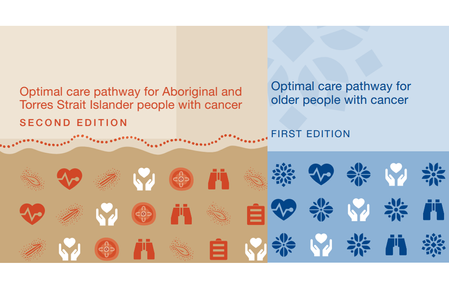
We are so excited to share this news with you all! 🎉 For those who might not be familiar, an Optimal Care Plan (Optimal Care Pathway) is a nationally endorsed guide that outlines best‑practice cancer care across the entire journey, from prevention and early detection through diagnosis, treatment, supportive care, survivorship, and end‑of‑life care. These plans are designed to support clearer pathways, more consistent care, and better outcomes for people affected by cancer. Whether you’re a patient, carer, health professional, or community supporter, these resources help make the cancer care journey more informed, connected, and empowering. 📅 November 2025 saw the release of the very first Optimal Care Plan for older Australians with cancer, developed by the Clinical Oncology Society of Australia (COSA), to improve cancer care and outcomes for older Australians affected by cancer. This new OCP aims to improve cancer care and outcomes for older Australians affected by cancer. It maps the unique needs and best practice approaches for older people with cancer, from prevention and early detection through to treatment, survivorship and end-of-life care. 📅 Yesterday on January 21st, we saw the release of the new and improved (2nd edition) Optimal Care Plan Aboriginal and Torres Strait Islander people with cancer. This important tool designed to support culturally safe, community‑centred care for anyone working alongside Aboriginal and Torres Strait Islander peoples - whether in clinical, community, or outreach settings - this handbook offers practical guidance to help strengthen conversations, improve understanding, and support early detection and treatment pathways. Stay tuned, we hear the Optimal Care Plan for people identifying as LGBTIQ+ is coming next! ✨ Why these new Optimal Care Plans matter: Brings the latest evidence-based guidance into one accessible place Helps people understand what to expect at each stage of care Supports more coordinated conversations with healthcare teams Strengthens confidence and self-empowerment during a challenging time. Thank you to everyone whose expertise, lived experience (including some in our very own network!), and collaboration helped shape these resources - this is a real step forward for the breast cancer community ❤️ Check them out, share with anyone who might benefit and let us know your thoughts on these in the comments below! 👉Optimal care pathway for older people with cancer 👉Optimal care pathway for Aboriginal and Torres Strait Islander people with cancer 👉 Learn more about optimal care plans here226Views4likes2Comments
Eye health changes
Hi all, wondering if anyone else has experienced deterioration or changes in eye health? I’ve recently been diagnosed with early macular degeneration and a slight worsening of pre-existing glaucoma (a condition in my family). But on a day to day basis I have noticed my eyes (over the last five months) have been consistently red, sore and very dry, even after sleep (Hylo Forte drops relieves them) and even when I take a break from Letrozole, the daily Aromatase Inhibitor medication I use. I wondered if weakening eye health is one of the longer term side effects of chemotherapy treatment. It’s about a year and a half since I completed the 17 month TCHP chemotherapy and immunosuppressants, surgery and radiation treatment for triple positive invasive lobular cancer (ILC). I’ve seen a couple of posts on this topic dating back to 2017 or 2018. I am conscious my mother developed macular but she was in her early 80s when it presented and it compounded her sight issues from glaucoma so she effectively couldn’t drive or see faces and images. Whereas I am about to turn 64 (happy days!) this weekend, I’m still in the active workforce and I hope to have more of a runway with my eyesight to enjoy the environment, the arts and the beauty of family and friends.337Views1like10Comments