support
312 Topics
💛 Help Shape a New Text Message Support Program for People Living with Metastatic Breast Cancer
We know that living with metastatic breast cancer brings unique challenges, and having access to the right support at the right time can make a real difference. Researchers from The University of Sydney, in partnership with Breast Cancer Network Australia, are seeking feedback from people living with metastatic breast cancer to help adapt the EMPOWER-SMS text message support program so it better meets the needs of this community. The EMPOWER-SMS program was originally developed for people recovering from early breast cancer and was found to be helpful, motivating and supportive. This project aims to ensure the program is relevant and meaningful for people living with metastatic breast cancer. What is involved? 💛 Complete a short online survey reviewing sample text messages 💛 Share your feedback on the content and support provided 💛 Survey completion time is approximately 15-20 minutes Your feedback will directly contribute to the co-design of a support program for people living with metastatic breast cancer. Before you decide 📄 Please take a moment to review the attached Participant Information Sheet, which provides further details about the study, what participation involves, and how your information will be managed. Interested in participating? 🔗 Complete the survey here: https://redcap.sydney.edu.au/surveys/?s=KTCAYNM83FTPY37L Ethics approval ✅ This study has received ethics approval from the The University of Sydney (Reference: HE000885). 💛 Thank you for helping ensure the voices and experiences of people living with metastatic breast cancer remain at the centre of research and support programs.🌏💗 Support Services for People from Culturally and Linguistically Diverse Backgrounds
A breast cancer diagnosis can be overwhelming, and it can be even more challenging when information and support aren't available in your preferred language or don't reflect your cultural experiences. For many people, connecting with someone who understands their language, culture, family dynamics and community can make a real difference during treatment and recovery. 💕 Across Australia, there are organisations working to support people from culturally and linguistically diverse communities who have been affected by cancer. These services offer information, peer support, education, and practical assistance in ways that are culturally responsive and inclusive. Whether you're looking for information in your own language, support from people with shared experiences, or resources for a loved one, culturally appropriate support services are available. 🌸 Every person deserves access to breast cancer information and support that feels relevant, respectful and accessible. This webpage from Cancer Institute NSW features organisations that provide services to multicultural communities, including the provision of information and education on cancer screening and prevention. 💬💗 Have you found a culturally specific service, resource or community group helpful during your breast cancer experience? Sharing your recommendations may help other members discover support that's right for them.18Views1like0CommentsJust venting
I wasn’t sure where to post this. And there are a few things to say. Has anyone had the experience of people giving advice as to what to do with treatment etc? I’ve had people tell me to seek other treatments. Yesterday someone who I vaguely know sent me links to iodine to cure breast cancer. And said that he hopes I don’t do surgery or radiation. That surgery spreads the cells. 🥺 of course this had rattled me & I’m in a triggered state. I’ve deleted the message & blocked the number also, I’m so emotional, scared, sad, not sleeping well. I’m going to try to call the help line today & seek a counsellor. I have a counsellor for trauma CPTSD but I can’t afford her now and she’s not registered to get subsidised sessions Another piece of advice from another person was to try to stay out of fear as it lowers vibration. I totally understand vibrational energy but how on earth do I stay out of fear 100% of the time i am scared. I am afraid of what is to come. I find it difficult to still myself, to meditate or pray. i also know that this will pass but right now, I feel vulnerable & alone (even though I have a supportive husband) I find it difficult to reach out too. Hope this is the right place to post here109Views1like2Comments🌏Translating and Interpreting Service (TIS National)
Navigating a breast cancer diagnosis can be overwhelming, especially when English isn't your first language. TIS National is a government-funded interpreting service that helps people who are not confident speaking English communicate with healthcare providers, government services, and other organisations. Interpreters are available in hundreds of languages, helping people access information and services more confidently and independently. When attending medical appointments, understanding treatment options and asking questions is incredibly important. If language is a barrier, you have the right to ask whether an interpreter can be arranged. Professional interpreters can help ensure you receive clear and accurate information about your care. 📞 TIS National: 13 14 50 🔗 Learn more: https://www.tisnational.gov.au/ 💬 We'd love to hear from you: Have you used an interpreter during your cancer experience? What helped you feel more informed, supported, and confident when communicating with your healthcare team? As always, please only share what you're comfortable sharing, Together, we are stronger. 💗16Views1like0Comments🌏 Resource Spotlight: Chinese Cancer and Chronic Illness Society of Victoria (CCCIS)
We'd like to share a resource that may be helpful for Chinese members of our CALD community. The Chinese Cancer and Chronic Illness Society of Victoria (CCCIS) provides culturally and linguistically appropriate support for Chinese Australians affected by cancer and other chronic illnesses, along with their families and carers. Services include support groups, family support, community education, wellbeing activities, and practical assistance. For many people, being able to access support in their preferred language and connect with others who understand their cultural background can make a significant difference during a cancer journey. 🔗 Learn more: https://cccis.org.au/ 💬 We'd love to hear from you: Have you found a culturally specific service, support group, or resource that helped you during your breast cancer experience? As always, please only share what you're comfortable sharing. 💕🌏 Together, we are stronger. 💗19Views1like0Comments🤝 Counterpart Strengthens Peer Support Program in VIC
Peer support continues to play a vital role in helping people affected by cancer feel informed, connected and supported throughout their experience. Last month, Counterpart welcomed 15 new trainee Peer Support Volunteers who will soon join their experienced volunteer team supporting women living with cancer across Victoria. Once training is complete, these volunteers will help expand Counterpart's peer support network, providing more opportunities for women to connect with someone who understands the challenges of a cancer diagnosis and treatment. 💗 Counterpart's Peer Support Volunteers provide a listening ear, help people access trusted information, and connect them with practical, medical and support services. Support is available by phone, at selected Melbourne hospitals, through Peer Support Hubs in Melbourne and Geelong, and at a range of workshops, events and wellbeing activities. 🧘♀️Counterpart continues to offer a variety of free programs and events, including online Yoga4Cancer sessions, educational webinars, Peer Support Hub gatherings and regional wellbeing days, helping people affected by cancer connect with others and access supportive resources in their local communities. 👉Find out more about Counterpart's Peer Support Program Here86Views2likes1Comment
Radiation cost
Hi everyone, I'm trying to get an idea of the cost of radiation therapy in Australia for those who do not have access to Medicare. I was diagnosed last Feb 2026, ER/PR+, Her2-, BRCA2+, 2 positive LN, and am currently undergoing chemotherapy. I'll be having a bilateral mastectomy in July, followed by radiation therapy. I'm on a temporary work visa in Australia, so I don't have access to Medicare. Unfortunately, my OVHC insurance won't cover radiation treatment because it is considered outpatient care. I’m really feeling really anxious about the potential costs, and to be honest, the financial burden has made me wonder whether I can even afford to go ahead with radiation. I would really appreciate hearing from anyone who has gone through radiation without Medicare coverage. How much did it cost, and were there any financial assistance programs, charities, or other support options available to help? Thank you so much for any advice or experiences you're willing to share.197Views0likes2Comments🌱Wednesday Wellness - 03Jun26 - The Impact of Community Strength 💪
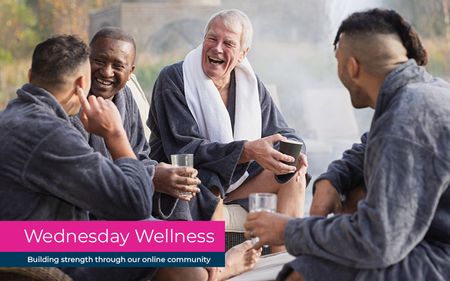
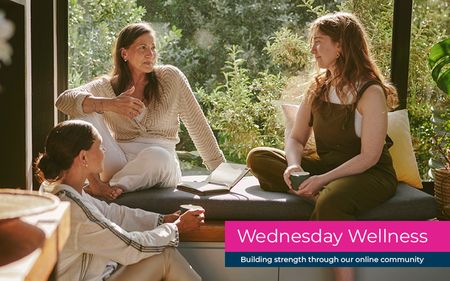
One of the most powerful things about being part of our wonderful BCNA community, is that no one has to face breast cancer alone. Whether you’re newly diagnosed, in the middle of treatment, navigating life after treatment, or supporting a loved one, this space reminds us that shared experiences can bring comfort, understanding, and genuine connection 💞 Community isn’t just about being in the same space, it’s about being seen, heard, and supported. It’s the quiet reassurance of someone saying “me too,” the kindness of practical advice from those who’ve been there, and the encouragement that helps carry you through tough days As many of you know well, even small interactions can make a big difference to someone who needs some extra love today 🌟 🏐 A beautiful example of this was last weeks community engagement activity at the State Netball Centre. BCNA staff connected with some of our amazing netball club and association PLAY4BCNA hosts, along with members with lived experience. It was such a warm, uplifting gathering filled with smiles, shared stories, and genuine connection 💞 💖 Moments like this truly highlight the strength and spirit of our community. If you’re looking to connect with others with lived experience in person, don’t forget about the Counterpart Cancer Meet-up Hubs. These gatherings are a great opportunity to meet others who understand, share stories, and feel supported in a safe and welcoming space. You can check online here for upcoming sessions and find one near you 📍 Here in our Online Network, everyone’s story matters 🌟 There is strength in vulnerability and courage in reaching out, whether you’re asking a question, sharing an update, or simply reading along and finding reassurance in others’ words. Let’s continue to; 💕Lift each other up 💕 Celebrate the wins big and small 💕Hold space for the hard moments too You never know how much your words might mean to someone else. If you feel comfortable, share what community means to you or a moment when support made a difference in your journey. We’re stronger together 💪33Views3likes0CommentsNational Reconciliation Week 2026 (27 May – 3 June)
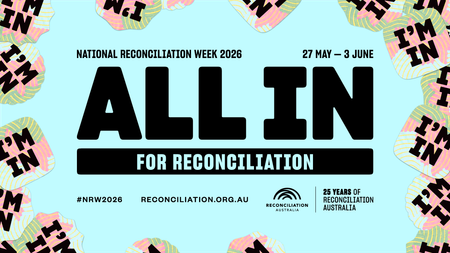
This week, we recognise National Reconciliation Week and reflect on this year’s theme: “All In” - a powerful call for all Australians to commit wholeheartedly to reconciliation every single day. Reconciliation is a shared responsibility that asks each of us as individuals, organisations, and communities - to step away from the sidelines and take meaningful action. It’s about listening, learning, and actively advancing the rights of Aboriginal and Torres Strait Islander peoples. This week is an opportunity to pause and reflect: How can we contribute to a more just and respectful society? What actions can we take, big or small, to support reconciliation in our daily lives? BCNA’s First Nations resource is an excellent opportunity to gain valuable insights, deepen understanding, and support culturally safe breast cancer care. Let’s all go “All In” not just this week, but every day and play our part in building a more inclusive and reconciled Australia.24Views3likes0Comments🌱Wednesday Wellness - it’s OK to Ask: Breast Cancer and Breaking Taboos - 21May26🌱
Asking questions about breast cancer can be harder than it sounds. Even when something is worrying you, it’s common to hold back or try to downplay how you are feeling. You might not want to seem difficult, feel embarrassed, worry about taking up time, or simply not know how to put what you’re feeling into words. It's a story we hear far too often. Breastcancer.org recently released a video called: It’s OK to Ask: Breast Cancer and Breaking Taboos, which aims to gently reinforce a simple but powerful message: your questions matter, and it’s okay to ask. We recommend watching this video for anyone who has left an appointment thinking that you wished you had asked more about: 💗 Sexual health and intimacy 💗 Body image and confidence 💗 Mental health and emotional wellbeing 💗 Long-term and ongoing side effects 💗 Fear of recurrence and survivorship 💗 Financial stress and practical concerns These are real issues that affect daily life long after treatment begins, and sometimes long after it ends. Yet they are often the things people hesitate to raise with their care team. If you’re looking for reassurance, validation, or encouragement to speak up, It’s OK to Ask is well worth watching. You deserve to be heard, supported, and fully cared for, in every sense of the word. 🎥 Click here to watch the video, or click here to check out a helpful list of questions we have compiled to help you have those conversations with your treating team. Please reach out to us on the Helpline if you need any extra support with preparing your questions for your healthcare appointments on 1800 500 258 - we are here to help you ❤️36Views3likes0Comments