🎊 We’re delighted to welcome Christina to the BCNA team! 🎊
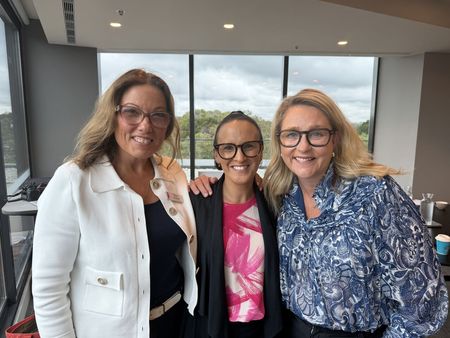
We’re very pleased to officially announce that Christina_BCNA has joined the BCNA Online Network team as our newest moderator! Don't panic! Christina is here to be a wonderful addition to our team - the current BCNA mods you know and love are all still here. While the rest of our team continues to support you over the helpline phones, Christina is here as a dedicated presence in the Online Network, helping to nurture connection, conversation, and care within our digital community. Christina is passionate about creating safe, inclusive spaces where people feel supported, heard, and connected. As a moderator, she’ll be helping to guide discussions, offer encouragement, and ensure our network remains a welcoming, respectful and active environment for everyone at all times. You may have noticed a few changes to the Online Network group pages recently, like updated page content, new groups like DCIS and the public Breast cancer awareness group, as well as new forums like Policy & advocacy and new initiatives like our Wednesday Wellness check ins. These are just some changes Christina has been busy making behind-the-scenes as part of her mission to ensure BCNA's Online Network remains an updated, active and impactful space. This is all part of our ongoing campaign to show how much we truly care and invest in our members in the Online Network—because we know how important it is to you. Stay tuned for more exciting updates, deeper connections, and positive energy as we continue to nurture and grow BCNA's Online Network. We’re thrilled to have Christina_BCNA on board and can’t wait for you to get to know her! 💗 Please do reach out and say hello - we know she'd love to hear from you.129Views8likes2CommentsFinally counted: A milestone for Victorians living with metastatic breast cancer
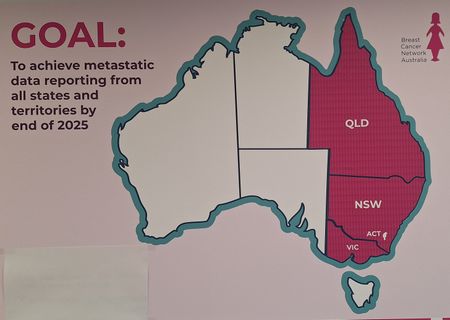
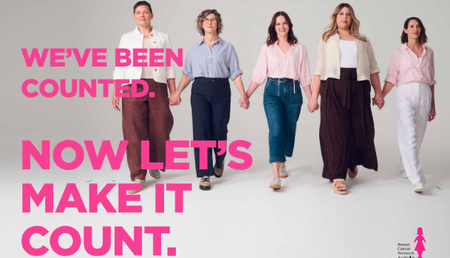
For the first time, Victoria has counted everyone living with metastatic breast cancer in the state, marking a major step forward for visibility, recognition, and support. New data released by the Victorian Cancer Registry (VCR) estimates that 4,461 Victorians are living with metastatic breast cancer, making them visible in the health system and ensuring their needs can are not overlooked. This achievement is the result of decades of consumer-led advocacy by Breast Cancer Network Australia (BCNA), collaboration with the Victorian Cancer Registry and Cancer Council Victoria, and the determination of women living with metastatic breast cancer who have long called for change. Read more via the link Finally counted: A milestone for Victorians living with metastatic breast cancer169Views8likes11Comments📣 20,950 Australians.
After 27 years of BCNA advocacy, we've reached a milestone moment: For the first time, Australia has a national figure for people living with metastatic breast cancer (MBC). That number is 20,950 Australians. These are people with unique, long-term needs who, until now, have been invisible in our health data and largely overlooked in health system planning. On 27 November, we officially announced this landmark data alongside our report; 👉 From invisibility to influence: progress on MBC data reforms in Australia. Together, we can ensure this data translates into meaningful change. People with MBC deserve a health system that sees them, plans for them, and supports them to live longer and live well. This data gives us the foundation to make that happen - but only if we maintain the momentum. What can you do? Sign BCNA's pledge calling for investment in ongoing MBC data collection in all states and territories. 👉 Sign the pledge today 📞 For further support or questions about this announcement, call our Helpline on 1800 500 258 Monday-Friday 9am-5pm AEDT120Views7likes1Comment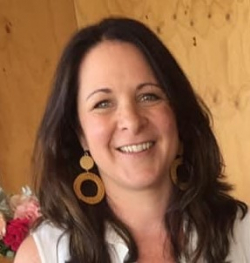
Supporting you through the current media coverage
Good morning all, As we’ve seen unfold in discussions over the past week in the online network, many of you have been impacted by the media surrounding a celebrity’s choices during their own cancer treatment. This is not the first time, nor the last, that a high-profile person will make statements that can affect those of us who have experienced breast cancer diagnosis and treatment. Some of the things you may be feeling at the moment include: - Feelings of doubt, fear, or shame in managing your own breast cancer experience. - A fear of recurrence or progression, which might lead you to question your evidence-based treatment plans. - Being at risk of ‘emotion-based’ decision making when it comes to treatment pathways or second-guessing any of your evidence-based treatment protocols. We are aware that some people may need support at the moment, and we wanted to take the opportunity to reach out. Our priority at BCNA will always be to ensure you feel empowered, informed, and secure in the choices you make with your own treating team following a breast cancer diagnosis. Clinical Psychologist, Dr Charlotte Tottman and BCNA CEO, Kirsten Pilatti filmed a member-focused discussion around recognising, managing and dealing with emotions or triggers that may have been raised by this recent coverage. It includes qualified advice and strategies on how to manage what you may be feeling. The intention is not to provoke unwanted emotions, but to provide information which may assist your wellbeing at this time. Proceed only if you are comfortable with potentially sensitive topics around breast cancer. https://www.youtube.com/watch?v=Eb6hKrI1rhs Accessing quality, evidence-based information to guide treatment decisions is crucial when dealing with a breast cancer diagnosis. At BCNA, we ensure that individuals diagnosed with breast cancer receive information that is grounded in the best available clinical evidence. In addition to the Online Network, BCNA can help you to cut through the noise by providing access to reliable information and resources at bcna.org.au, as well as support via our free Helpline on 1800 500 258.252Views7likes3CommentsEMOJI ('Reactions')
Hello members, In a recent unrelated discussion thread there has been a clear dissatisfaction expressed with the current emojis (aka reactions) available or not available to you when communicating in the online network. In relation to the 'hug' emoji, this was an organisational decision to include the hug reaction as it is a popular emoji with the members and BCNA has confirmed it is staying. Unfortunately we are limited within this platform and cannot create 'new' emojis but can replace existing ones (The 'flag' and 'quote' are not reactions that can be used). We have found an interim solution to enable the smiley face reaction to be 'awesome' and hope this will satisfy those that wish to have this option back as well. If you do not like a particular emoji than you do not have to use it and if you have other feature suggestions send the moderators a private message. Final thoughts and gentle reminder: To keep this space welcoming and supportive to members, it is important that we are all respectful. When we are online, we have to work harder because there is no body language, facial expressions and tone of voice to help us interpret what people are saying to us. We remind you to please be respectful of other members and also the staff at BCNA. Many thanks.224Views7likes1Comment🎉A Landmark Win: Australia Bans Genetic Discrimination in Life Insurance!
Declared today - what a start to the month! After ten years of sustained advocacy, Australia has passed legislation banning genetic discrimination in life insurance. This is a historic moment for fairness, medicine, and genomic health. 🧬The bill has now passed the Senate and will become enforceable in October 2026, giving insurers time to update their systems. Once active, Australians will finally be able to access genetic testing without worrying about how their results might affect life insurance 🎉 💙 This reform follows years of work from advocates including our very own Vicki Durston, and Monash University’s Dr Jane Tiller who described the outcome as extraordinary and vital for protecting everyday Australians. It also creates new opportunities for preventive genomic screening through programs like DNA Screen, which has already provided life‑saving information to participants. 🌺 Stories like that of 22‑year‑old Mia Hodder, who carries a BRCA2 variant, show the real impact of this shift. She shared that genetic testing empowered her to take preventive action and expressed relief that others will now be protected from discrimination when making similar choices. 🎊This legislation marks a major step forward for public health, early detection, and equitable access to genetic information. A huge victory for medicine, for genomics, and for fairness. More updates will follow as the implementation date approaches, if you're interested in learning more, you can read the Monash University media release here.149Views6likes2Comments
Policy & Advocacy Update - Vicki Durston - Feb26
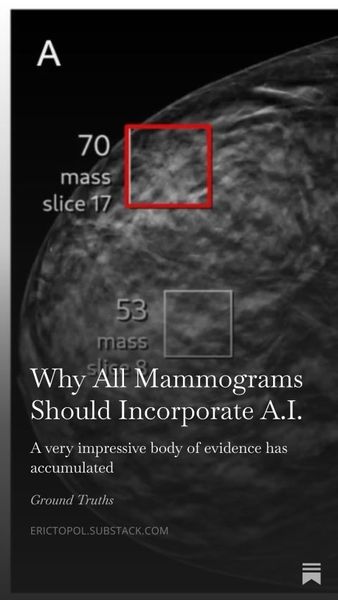
As we continue to move through 2026, there’s a real sense of progress building across breast cancer outcomes - both here at home and internationally. I want to share two important moments that highlight how evidence, leadership, and advocacy are shaping a better future for those affected by breast cancer. ✨ Why AI in mammography can’t wait Eric Topol’s recent article, “Why All Mammograms Should Incorporate AI,” brings together powerful evidence showing that AI in breast screening is no longer a future idea - it’s part of modern, effective care today. One of the strongest examples is the large MASAI trial from Sweden, involving more than 105,000 women. When radiologists used AI as support, the outcomes were remarkable: 👉 29% more cancers detected 👉 24% more invasive cancers found 👉 No increase in false positives or recalls 👉 44% reduction in radiologist workload Two-year follow-up findings were equally compelling: fewer interval cancers, fewer invasive cancers, and fewer aggressive types such as triple negative and HER2-positive cancers. What international evidence now shows International evidence is telling a very consistent story. Large trials and real-world evaluations show that AI-supported mammography can safely increase cancer detection while reducing radiologist workload, without increasing false positives or unnecessary recalls. This matters in a system already under pressure. AI is also changing how we think about risk. New image-based risk models can analyse a mammogram that appears “normal” to the human eye and still identify women at higher risk of developing breast cancer in the next few years. This opens the door to more personalised, risk-stratified screening, rather than the one-size-fits-all model we rely on today. Here in Australia, BreastScreen is a highly respected program, but it was designed more than 30 years ago. While Victoria and NSW are now piloting AI within their services, we still lack a coordinated national approach for integrating AI into breast screening that reflects today’s evidence. What BCNA is calling for We are now at a decision point. The question Eric Topol poses - “If not now, then when?”- is the same challenge facing Australia. For BCNA, this is not about chasing technology for its own sake. We are calling for AI to be treated as a core part of the evolution of breast screening, not an optional add-on. That means: Embedding AI research, evaluation and implementation within BreastScreen Ongoing, in-program national investment in screening research and quality improvement Ensuring that the benefits of new technology are delivered equitably, so no woman is left behind because of where she lives or her background If we get this right, AI won’t replace the program Australians trust - it will strengthen it, helping detect cancers earlier, supporting an overstretched workforce, and moving us closer to truly personalised, risk-stratified screening.73Views6likes0Comments
Watch this space!
We’ve been listening to your feedback and we’re excited to announce that the Online Network will be moving to a new platform in early 2025! This has been designed to better serve your needs. This will mean you will only need one login, one password for the Online Network and all our resources. We are committed to improving your experience, and we can’t wait to share these new features with you in the New Year. Keep an eye out for regular updates in early 2025.230Views6likes2CommentsBCNA statement about Elle Macpherson's treatment decisions
Breast Cancer Network Australia (BCNA) would like to address recent media coverage regarding Elle Macpherson's statements about her personal approach to breast cancer treatment. Elle Macpherson's choices highlight the deeply personal nature of treatment decisions following a breast cancer diagnosis. BCNA respects Elle Macpherson's right to share her experience and acknowledges that every breast cancer experience is unique. All individual breast cancer diagnoses and experiences are different. BCNA recognises Elle Macpherson's right to discuss her own breast cancer experience through her own lens and support her right to make the choices she feels are best for her circumstances. It’s important to recognise that everyone’s diagnosis and every treatment path is unique and shaped around their individual diagnosis. When public figures discuss their health experiences, it brings valuable attention to important issues. However, BCNA believes it's crucial that these discussions do not lead to doubt or fear among others facing similar diagnoses. Our priority is to ensure that people feel empowered and informed in the choices they make following a breast cancer diagnosis. BCNA advocates for the importance of accessing trusted, evidence-based information to guide treatment decisions. While a healthy lifestyle, including good nutrition, exercise, and mental well-being, plays a role in cancer care, we emphasise the importance of consulting healthcare professionals and relying on the expertise of your treatment team to make informed decisions for you. BCNA's role is to cut through the noise and help people navigate what is a very stressful time in their lives. We provide free information and resources to those with a breast cancer diagnosis at a time they need it most, along with support via our free Helpline. For more information or support, please visit our Information and Resources Hub or call our Helpline at 1800 268 002.665Views6likes14Comments🔔 Update on access to Zoladex treatment
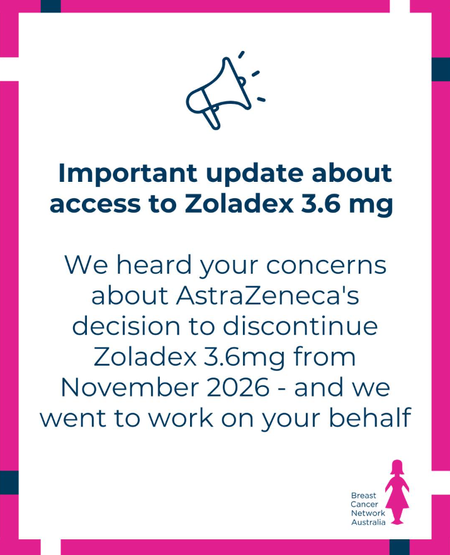
We heard your concerns about AstraZeneca's decision to discontinue Zoladex 3.6mg from 1 November 2026 - and we went to work on your behalf. After coordinating advocacy with clinicians, consumers and key stakeholders, we're pleased to share that options will be available for those affected, including a free access program for eligible patients and work underway on alternative treatment pathways. Supply continues in the meantime and we'll keep you informed every step of the way. Full details available through the link in our bio. If you need support, our Helpline is here for you on 👉 Reach out to the BCNA Helpline 1800 500 258 for information and support Read more here: 🔗 https://www.bcna.org.au/latest-news/bcna-news/update-on-access-to-zoladex-treatment230Views5likes7Comments