advocacy
96 TopicsWe want to hear your Whole Story 🩷
If you've been affected by breast cancer, we'd love you to share the part of your experience you wish more people understood using #TheWholeStory on social media. By sharing more of these experiences, together we can broaden people's understanding of breast cancer, give greater visibility to what too often goes unseen or unspoken, and strengthen our collective voice as we work towards a future with no life limited by breast cancer. 👉 Share your #thewholestory on instagram here In 15-30 seconds, share #TheWholeStory from your perspective on your own social media channels, and don't forget to tag @breastcancernetworkaustralia and #thewholestory so we can help amplify your voice. 🩷28Views1like0Comments🔔 Update on access to Zoladex treatment
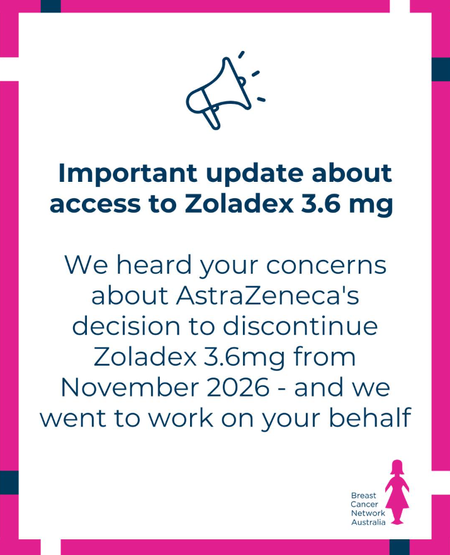
We heard your concerns about AstraZeneca's decision to discontinue Zoladex 3.6mg from 1 November 2026 - and we went to work on your behalf. After coordinating advocacy with clinicians, consumers and key stakeholders, we're pleased to share that options will be available for those affected, including a free access program for eligible patients and work underway on alternative treatment pathways. Supply continues in the meantime and we'll keep you informed every step of the way. Full details available through the link in our bio. If you need support, our Helpline is here for you on 👉 Reach out to the BCNA Helpline 1800 500 258 for information and support Read more here: 🔗 https://www.bcna.org.au/latest-news/bcna-news/update-on-access-to-zoladex-treatment281Views6likes8Comments⏱️Last chance: BCNA's Policy & Advocacy survey closes at midnight❗
Complete the survey before it closes at midnight today: https://researchsurveys.deakin.edu.au/jfe/form/SV_5p9gsRqbkfZf5zw We've already received a huge range of voices helping to shape our future Policy & Advocacy efforts - and we would love to hear from you too! Your insights will help identify what's working well, where gaps exist, and what issues need greater attention over the next four years. 📝 The survey takes approximately 15-20 minutes to complete and closes at midnight tonight. Participation is voluntary, and you can skip any questions or exit the survey at any time. Thank you to everyone who contributes to this important work and helps ensure the voices of those supporting people affected by breast cancer are heard. 💕9Views0likes0Comments
Policy & Advocacy Update - Vicki Durston - August26
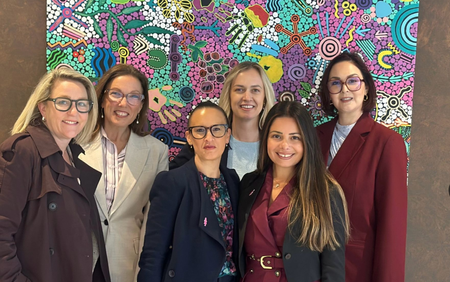
Hi everyone, As BCNA begins planning our next Policy & Advocacy Strategy, I wanted to share some important updates about the work we're doing to ensure the voices of Australians affected by breast cancer continue to drive change. Help Shape BCNA's Future Advocacy Priorities 💗 At BCNA, our advocacy starts with listening. We've recently launched a national survey, in collaboration with Deakin University, to help inform BCNA's next Policy & Advocacy Strategy. This is your opportunity to tell us what matters most to you and where you believe BCNA should focus its advocacy efforts over the next four years. Whether you're newly diagnosed, living with metastatic breast cancer, undergoing treatment, or years beyond diagnosis, your experiences and insights are invaluable. We're particularly keen to hear from a diverse range of people across Australia, including those living in regional and rural communities, people from different cultural backgrounds, and those with a variety of breast cancer experiences. 👉 Access the survey and have your say here Your feedback will help us understand: What's working well Where gaps remain The challenges people continue to face Where BCNA can have the greatest impact The survey takes approximately 15 to 20 minutes to complete and closes on 26 August 2026. Every response helps strengthen BCNA's consumer-led advocacy and ensures our future priorities reflect the real needs of our community. If you haven't already, I encourage you to take part and share the survey with others affected by breast cancer who may wish to contribute. Taking Breast Cancer Issues to Parliament House 🏛️ Advocacy often happens behind the scenes, but it's a vital part of BCNA's work. Recently, BCNA met with federal parliamentarians in Canberra to ensure the experiences and priorities of people affected by breast cancer continue to be heard at the highest levels of government. These discussions focused on several key issues, including: Access to breast cancer medicines and treatments Breast screening reform Support for people living with metastatic breast cancer Challenges facing people affected by breast cancer across Australia Meetings like these help us build relationships with decision-makers and keep consumer experiences front and centre in policy discussions. While meaningful change can take time, ongoing engagement with government is essential to progressing reforms that improve outcomes and experiences for people affected by breast cancer. As the national voice for Australians affected by breast cancer, BCNA will continue advocating for the issues that matter most to our community. Progress Towards a Sustainable Option for Zoladex patients 💊 Our continued advocacy, including in Canberra has led to an important development in securing a sustainable monthly ovarian suppression option ahead of the planned delisting of Zoladex® 3.6mg from the PBS on 1 November 2026. At a recent out-of-session meeting, the Pharmaceutical Benefits Advisory Committee (PBAC) recommended triptorelin (Diphereline®) 3.75mg for PBS listing for breast cancer. While government approval and final listing arrangements are still required, this recommendation is a positive step towards maintaining access to a monthly ovarian suppression treatment through the PBS. For many people with hormone receptor-positive breast cancer, ovarian suppression is an important part of treatment. The planned withdrawal of Zoladex 3.6mg has understandably created uncertainty for those who rely on monthly treatment. Since the withdrawal was announced, BCNA has worked closely with consumers, clinicians, government and industry to help identify a sustainable alternative. As part of the our breast cancer discussions with Parliemnt House, we also convened an urgent national roundtable to ensure the concerns and experiences of those affected were heard directly by decision-makers. This recommendation reflects the collective efforts of consumers, clinicians and the broader breast cancer community. BCNA will continue advocating on this issue and provide updates as PBS listing and supply arrangements are confirmed. BreastScreen Australia Review: Positive Progress, But Funding Matters 🎗️ BCNA has welcomed the release of the long-awaited BreastScreen Australia Review and the agreement by Australian governments on a new National Strategic Framework to guide the future of the program. The review recognises BreastScreen Australia as a trusted and effective program that saves lives through early detection. It also identifies opportunities to improve participation, strengthen quality and safety, reduce inequities, and modernise the program. We're pleased to see commitments to begin work on: A national annual screening policy A National Participation Strategy Improvements to quality and safety These are positive steps forward. However, BCNA remains concerned that the funding announced to support reform does not yet match the scale of the changes identified in the review. For many communities, including Aboriginal and Torres Strait Islander women, culturally and linguistically diverse communities, and women living in regional and remote areas, barriers to screening continue to exist. BCNA will continue advocating for meaningful investment to ensure everyone can access high-quality breast screening services, regardless of where they live. As governments move from review to implementation, it's essential that consumer voices remain at the centre of the reform process. Lived experience must continue to help shape the future of breast screening in Australia. You can read more about BCNA's response to the review here: 🔗 https://www.bcna.org.au/latest-news/bcna-news/bcna-welcomes-breastscreen-review-warns-on-funding Thank You 🌸 Everything we achieve through advocacy is strengthened by the voices of people affected by breast cancer. Whether you're completing a survey, sharing your story, participating in consultations, or contributing here in the Online Network, you're helping shape a better future for our community. Thank you for your ongoing support and for helping ensure that lived experience remains at the heart of BCNA's advocacy work. Warm regards, Vicki Durston Policy & Advocacy Director Breast Cancer Network Australia38Views4likes0CommentsPolicy & Advocacy Update - Vicki Durston - July26
📢 Policy & Advocacy Update: Medicines Access and Shaping BCNA's Future Advocacy Hi everyone, one of BCNA's most important advocacy priorities is ensuring people affected by breast cancer can access the treatments they need, when they need them. 💗 I wanted to share a brief update on some of the key work happening behind the scenes. 💉 Zoladex: Advocacy Continues Many of you will be aware of BCNA's ongoing advocacy regarding the planned discontinuation of the monthly 3.6mg formulation of Zoladex from 1 November 2026. While we've shared updates previously, we also know that for many people this news has raised very real concerns about what it means for their treatment, routine, and peace of mind. We've been hearing from community members who are worried about the personal and immediate impact of this change, and we want you to know that your concerns are being heard. BCNA remains actively engaged with consumers, clinicians, government and AstraZeneca to better understand the impact on patients and to advocate for practical, longer-term solutions. Our focus continues to be on continuity of care, clear communication, and ensuring treatment decisions are guided by clinical need and individual circumstances. If you have questions or are feeling uncertain about how these changes may affect you, please know that support is available. Our Helpline is here to listen, provide information, and connect you with appropriate resources on 1800 500 258. We're continuing to work behind the scenes on this issue and will keep the community informed as developments occur. Thank you to everyone who has shared their experiences and concerns—your voices play an important role in informing our advocacy. 🤝 ✅ PBS Listing for Perjeta There was welcome news recently with the PBS listing of Perjeta (pertuzumab) for eligible Australians with HER2-positive high-risk early breast cancer from 1 July 2026. This is a significant outcome that will improve access and reduce financial barriers for many Australians affected by breast cancer. 🎉 At the same time, the Perjeta journey highlights ongoing challenges within Australia's medicines access system. Although the medicine received a positive PBAC recommendation in March 2025, patients waited more than a year for PBS funding to be confirmed. Perjeta, alongside issues such as Zoladex, reinforces why medicines access remains a key BCNA advocacy priority. We believe people should be able to access recommended treatments as quickly and equitably as possible. 💪 🗣️ Help Shape BCNA's Future Advocacy BCNA is also beginning work on our next Policy & Advocacy Strategy, which will guide our advocacy priorities through to 2030. We're committed to ensuring this strategy is shaped by the lived experiences of people affected by breast cancer. Consumer representatives are already helping guide the development process, and over the coming months we'll be seeking feedback from consumers, clinicians and other stakeholders. Importantly, there will be opportunities for members of the Online Network to have their say through a survey that will be available later next month. The insights gathered will inform our Policy and Advocacy Strategy, guide our priorities and strengthen our efforts to improve equity and outcomes for all people affected by breast cancer. 🌟 Your experiences are at the heart of everything we do. As we look to the future, we want to ensure BCNA's advocacy continues to focus on the issues that matter most to our community and where we can make the greatest impact. Thank you for continuing to share your insights and experiences with us. Together, we're helping create a stronger voice for everyone affected by breast cancer. 💕27Views1like0Comments📢 Perjeta is now listed on the PBS!✨
Breast Cancer Network Australia warmly welcomes the announcement that Perjeta (pertuzumab) will be listed on the Pharmaceutical Benefits Scheme (PBS) from today onwards, 1 July 2026 for eligible Australians with HER2-positive high-risk early breast cancer. For the approximately 2,500 Australians diagnosed each year who may benefit from this treatment, this is more than just a policy change. It’s a life-changing moment. The PBS listing will remove a significant financial barrier, making this important treatment far more accessible to those who need it most. 🙌💗 While this is a major step forward, it also shines a light on the ongoing challenges many Australians face when trying to access new and vital medicines as there are still too many life-saving breast cancer treatments not PBS listed. There is still more work to be done to ensure timely, equitable access for everyone. Today, we celebrate progress and continue to advocate for a future where no one is left behind. 💕 👉 Read more about Perjeta listing on the PBS here52Views4likes0CommentsPolicy & Advocacy Update - Vicki Durston - June26
Zoladex, access and what this means for patients Hello everyone, I want to speak directly to you about the recent announcement from AstraZeneca to withdraw the monthly 3.6mg formulation of Zoladex from Australia. For many people, this is not just a medication. It is a critical part of treatment — used for ovarian suppression in breast cancer, for fertility preservation during chemotherapy, and for reducing the risk of early menopause in younger women. So when a treatment like this is removed — particularly without a clear, long-term pathway — it creates real uncertainty. What we are hearing We are hearing from both clinicians and people affected by breast cancer that this uncertainty is already influencing care. There are questions about switching treatments. Concerns about whether alternatives are appropriate. And of particular concern, we are hearing that some people are being advised to consider irreversible options, including surgical removal of the ovaries, because of uncertainty about ongoing access to a reliable monthly treatment. That is not where clinical decision-making should sit. Decisions about treatment should be based on evidence and what is right for the individual — not driven by uncertainty about access. What matters right now In a situation like this, it is critical that people feel informed and supported. That you have access to clear, reliable and up-to-date information as this situation evolves. And that you are able to make decisions about your care with confidence — alongside your treating team. What BCNA is doing We are actively working with government, clinicians and AstraZeneca to understand what comes next. This includes: advocating for a clear and reliable pathway for ongoing access following November 1st2026when this drug is no longer available on the PBS • working to identify an appropriate alternative monthly option • ensuring there is a smooth and clinically appropriate transition, where needed Our focus is on making sure that people are not left navigating uncertainty, and that continuity of care is protected. What we are seeing more broadly There has been significant coverage of this issue across both traditional and social media. We know that many people are already living with uncertainty in their diagnosis and treatment — and situations like this can understandably add to that concern. For some of you within our Online Network, this may feel particularly unsettling. Please know this: We will not stop advocating until there is a clear and sustainable resolution to this issue. We are continuing to work closely with government, clinicians and AstraZeneca to ensure there is a pathway forward that supports patients and protects continuity of care. We will keep you informed as this situation evolves. For the most up-to-date information, please continue to follow updates within the Online Network and on the BCNA website. Further information We also encourage you to watch our recent video with A/Professor Belinda Kiely, where we discuss this issue in more detail and outline what you can do to better understand your options and what is happening. A message to our community We understand the concern this is causing. And we will continue to stand beside you, advocate for you, and push for a solution that ensures people are not left uncertain about access to the treatment they need. Thank you for continuing to share your experiences and raise your voices.76Views3likes0CommentsPolicy & Advocacy Update - Vicki Durston - May26
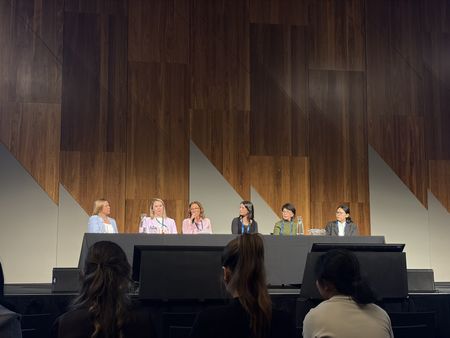
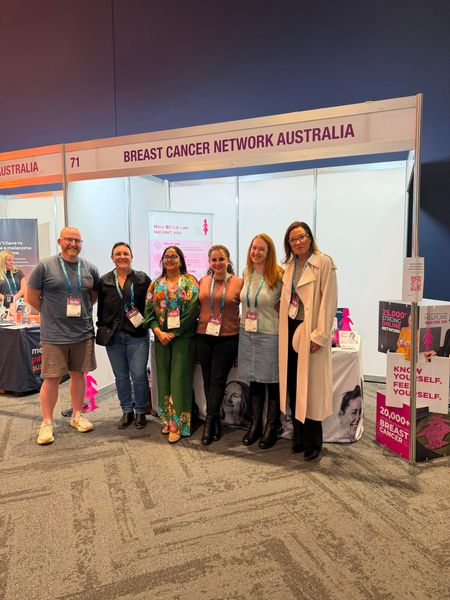
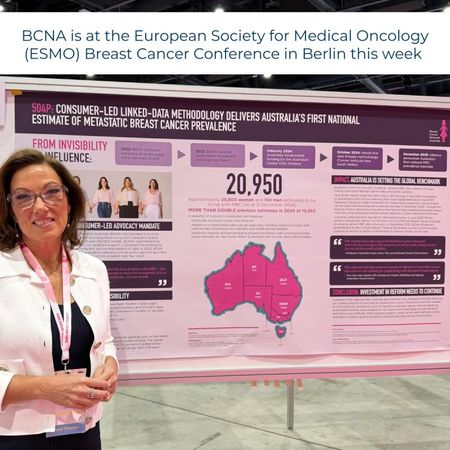
I’m incredibly proud to have represented BCNA at the European Society for Medical Oncology (ESMO) Breast Cancer Congress this year. One of the most significant moments for BCNA at the Congress was presenting Australia’s first national estimate of people living with metastatic breast cancer. For the first time, we now have a clearer understanding that around 20,950 Australians are living with metastatic disease. This is a significant milestone and one that has been a long time coming. For many years, people living with metastatic breast cancer have not been counted and have been under represented in our systems. This has made it incredibly difficult for governments, researchers and healthcare providers to fully understand the scale of need, and to plan services, support and care appropriately. It has also meant that many people in our community have not felt fully seen or recognised. That is why this work matters so deeply. By using linked health data, BCNA has helped shine a light on people with metastatic breast cancer that have too often been invisible in the data. 📊 Sharing our approach at ESMO sparked strong interest from international audiences, with many recognising the importance of not just counting diagnoses, but recognising people living with ongoing disease. It was incredibly encouraging to see Australia acknowledged as a leader in this space. More importantly, it reinforced that our advocacy here at home is helping shape global conversations about how we better understand and support people living with metastatic breast cancer 🌍 But for me, this is about much more than data. It is about people. It is about ensuring that every person living with metastatic breast cancer is acknowledged within our health system, that their experiences are understood, and that their needs are not overlooked. It is about dignity, visibility, and making sure no one feels forgotten 🤝 Being able to carry your stories and your experiences into a global forum was something I did with great pride and responsibility. Moments like this show what is possible when we come together as a community and advocate for change. The discussions at ESMO reinforced how rapidly breast cancer treatment is evolving globally, particularly in precision medicine, biomarkers and targeted therapies. But they also highlighted the growing gap between what science can offer and what patients can actually access through health systems. For Australians living with breast cancer, these conversations matter. International forums like ESMO help shape advocacy here at home- supporting efforts to improve access to new treatments, ensure equitable care regardless of postcode, and better recognise and support the growing number of people living longer with metastatic breast cancer. 👉 You can see a glimpse of my time at the conference here: https://www.instagram.com/bcnapinklady/reel/DYRW8tJiFcf/ 💊Impacts of the 2026–27 Federal Budget While I was proud to represent our community internationally, I have also been reflecting closely on the 2026 to 2027 Federal Budget and what it means for people living with breast cancer here in Australia. There are positive elements, including continued investment in precision oncology and medical research. Advances in targeted therapies, genomics and personalised medicine are changing what is possible for people with breast cancer, and Australia must continue to invest in innovation and research. But innovation only matters if people can actually access it. One of BCNA's key concerns remains timely and affordable access to medicines, particularly the Pharmaceutical Benefits Scheme. Too often, Australians face delays in accessing new and potentially life-extending treatments that are already available in comparable countries. These are not abstract delays. They are real and they impact on people's lives and the precious time they have with their families and loved ones. Without meaningful reform and sustained investment, there is a real risk that Australia will fall behind internationally and that a two-tiered system will continue to emerge - where access to treatment depends on someone’s financial capacity rather than their clinical need. That is not acceptable. Access to the best available care should never be determined by postcode, income or circumstance. This is why BCNA continues to advocate so strongly in this space, including current work to improve access to treatments like tucatinib and Zoladex 💊 We will keep advocating for a system that is fair, responsive, and centred on people. I want you to know that this work is ongoing and that your voices are at the heart of it. Every story, every shared experience, and every conversation helps us strengthen our advocacy and drive change. At home and on the global stage, this is about one thing: making sure you are seen, heard and supported. BCNA will keep showing up, speaking out, and pushing for a system that delivers the care you deserve💪56Views3likes0Comments📣Have you experienced differences in surgical quotes? We’d love to hear from you.
We’re looking to connect with our members living in Victoria who have received one quoted fee for surgery, and then either secured or discovered a lower cost elsewhere. Your experience can help highlight why greater transparency in healthcare costs is so important. 🌿 These insights will support advocacy efforts around the need for a transparent costs register, a topic very important to us here at BCNA that we will be working towards later this year. If this sounds like you, or someone you know, please comment below "learn more" to share your experience. Every story makes a difference in creating a fairer, more informed system for all. ✨86Views2likes2Comments💊 Update: Changes to Ribociclib (Kisqali) Storage & Packaging
We wanted to share an important update for anyone currently taking ribociclib (Kisqali), a targeted therapy used for HR-positive, HER2-negative breast cancer (early or advanced), often alongside hormone therapy. 🔄What’s changed? From early May, ribociclib tablets no longer need to be stored in the fridge. They can now be kept at room temperature (below 30°C). 📦During the transition period Some packs will still have the old refrigeration instructions Others will reflect the new room temperature guidance You may notice changes to packaging, including: A longer expiry date (up to 24 months) Different blister pack sizes A new layout showing how many tablets to take each day 💡Why the change? The medication itself has not changed. Updates to manufacturing and packaging now allow the tablets to be stored safely at room temperature. Because of this transition, both “old” (refrigerated) and “new” packs will be in circulation for a while. ✅What do you need to do? Always follow the storage instructions on your specific pack If your pack says to refrigerate, continue to do so until it’s finished Don’t be concerned if packaging looks different, the medicine remains the same Speak to your healthcare team if you have any questions or concerns For more information check out the following resources 👉Early breast cancer 👉Metastatic breast cancer As always, we’re here to support you. If you’ve noticed these changes or want to share your experience, please call our Helpline on 1800 500 258 Monday-Friday 9am-5pm664Views1like0Comments