support
186 Topics🌱Wednesday Wellness - 03Jun26 - The Impact of Community Strength 💪
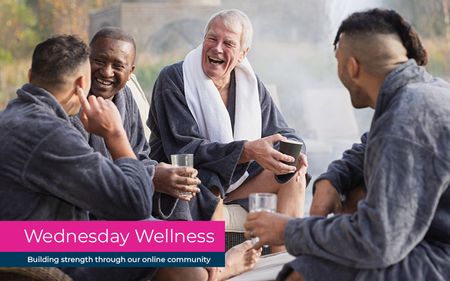
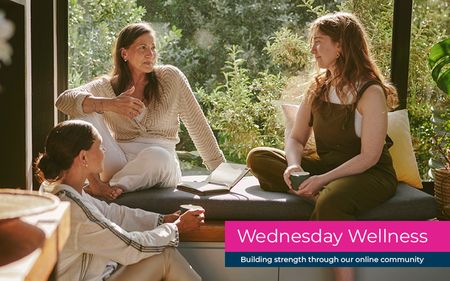
One of the most powerful things about being part of our wonderful BCNA community, is that no one has to face breast cancer alone. Whether you’re newly diagnosed, in the middle of treatment, navigating life after treatment, or supporting a loved one, this space reminds us that shared experiences can bring comfort, understanding, and genuine connection 💞 Community isn’t just about being in the same space, it’s about being seen, heard, and supported. It’s the quiet reassurance of someone saying “me too,” the kindness of practical advice from those who’ve been there, and the encouragement that helps carry you through tough days As many of you know well, even small interactions can make a big difference to someone who needs some extra love today 🌟 🏐 A beautiful example of this was last weeks community engagement activity at the State Netball Centre. BCNA staff connected with some of our amazing netball club and association PLAY4BCNA hosts, along with members with lived experience. It was such a warm, uplifting gathering filled with smiles, shared stories, and genuine connection 💞 💖 Moments like this truly highlight the strength and spirit of our community. If you’re looking to connect with others with lived experience in person, don’t forget about the Counterpart Cancer Meet-up Hubs. These gatherings are a great opportunity to meet others who understand, share stories, and feel supported in a safe and welcoming space. You can check online here for upcoming sessions and find one near you 📍 Here in our Online Network, everyone’s story matters 🌟 There is strength in vulnerability and courage in reaching out, whether you’re asking a question, sharing an update, or simply reading along and finding reassurance in others’ words. Let’s continue to; 💕Lift each other up 💕 Celebrate the wins big and small 💕Hold space for the hard moments too You never know how much your words might mean to someone else. If you feel comfortable, share what community means to you or a moment when support made a difference in your journey. We’re stronger together 💪38Views3likes0CommentsNational Reconciliation Week 2026 (27 May – 3 June)
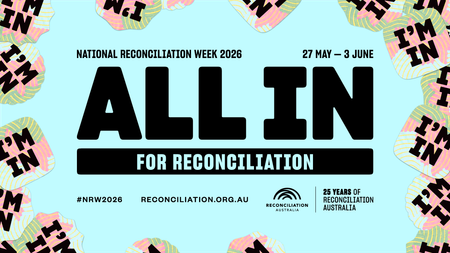
This week, we recognise National Reconciliation Week and reflect on this year’s theme: “All In” - a powerful call for all Australians to commit wholeheartedly to reconciliation every single day. Reconciliation is a shared responsibility that asks each of us as individuals, organisations, and communities - to step away from the sidelines and take meaningful action. It’s about listening, learning, and actively advancing the rights of Aboriginal and Torres Strait Islander peoples. This week is an opportunity to pause and reflect: How can we contribute to a more just and respectful society? What actions can we take, big or small, to support reconciliation in our daily lives? BCNA’s First Nations resource is an excellent opportunity to gain valuable insights, deepen understanding, and support culturally safe breast cancer care. Let’s all go “All In” not just this week, but every day and play our part in building a more inclusive and reconciled Australia.27Views3likes0Comments🌱Wednesday Wellness - it’s OK to Ask: Breast Cancer and Breaking Taboos - 21May26🌱
Asking questions about breast cancer can be harder than it sounds. Even when something is worrying you, it’s common to hold back or try to downplay how you are feeling. You might not want to seem difficult, feel embarrassed, worry about taking up time, or simply not know how to put what you’re feeling into words. It's a story we hear far too often. Breastcancer.org recently released a video called: It’s OK to Ask: Breast Cancer and Breaking Taboos, which aims to gently reinforce a simple but powerful message: your questions matter, and it’s okay to ask. We recommend watching this video for anyone who has left an appointment thinking that you wished you had asked more about: 💗 Sexual health and intimacy 💗 Body image and confidence 💗 Mental health and emotional wellbeing 💗 Long-term and ongoing side effects 💗 Fear of recurrence and survivorship 💗 Financial stress and practical concerns These are real issues that affect daily life long after treatment begins, and sometimes long after it ends. Yet they are often the things people hesitate to raise with their care team. If you’re looking for reassurance, validation, or encouragement to speak up, It’s OK to Ask is well worth watching. You deserve to be heard, supported, and fully cared for, in every sense of the word. 🎥 Click here to watch the video, or click here to check out a helpful list of questions we have compiled to help you have those conversations with your treating team. Please reach out to us on the Helpline if you need any extra support with preparing your questions for your healthcare appointments on 1800 500 258 - we are here to help you ❤️37Views3likes0CommentsWays your GP can help you 🩺 a key partner in breast cancer support
When navigating a breast cancer diagnosis, or even the uncertainty that comes with symptoms or screening, your GP can be one of the most important people in your support network. Often the first point of contact in the healthcare system, GPs play a vital, ongoing role that extends far beyond referrals. 🌿 More Than a Starting Point Many people think of their GP as simply the first step in getting specialist care. While that is true, it is only part of the picture. GPs remain a consistent, trusted presence throughout every stage, before diagnosis, during treatment, and well into recovery or long-term care. This continuity matters. Unlike specialists you may see occasionally, your GP often understands your broader health history, personal circumstances, and even emotional needs. 🩺 How Your GP Can Support You 1. Early Detection and Referrals Your GP plays a critical role in recognising symptoms, ordering tests, and referring you quickly to the right specialists. Acting early can make a real difference, both medically and emotionally. 2. Translating Medical Information Breast cancer care can feel overwhelming, with complex terminology and fast-moving decisions. GPs can help break down information into something more understandable, helping you feel informed and confident. 3. Emotional Wellbeing Support The emotional impact of breast cancer is significant. GPs are well placed to check in, provide mental health support, and connect you with counselling or support services when needed. 4. Managing Side Effects and Ongoing Care From treatment side effects to general health concerns, your GP can help manage day-to-day wellbeing and ensure nothing gets overlooked. 5. Coordinating Your Care With multiple specialists involved, your GP can act as a central point, keeping everything connected and advocating for your needs across the healthcare system. 🤝 Building a Strong GP Relationship Within our online community, we often talk about the importance of self-advocacy, and your relationship with your GP is a big part of that. Here are a few gentle reminders: Don’t hesitate to ask questions. No concern is too small. Be open about your physical and emotional experiences. Keep your GP updated on changes or treatment plans. Bring a support person if you feel overwhelmed. A good GP relationship is a partnership, one that supports you as a whole person, not just a diagnosis. Learn more about the best ways to work with your GP to get the most support during your experience with breast cancer. Read more here.40Views3likes0Comments🎧 Have you connected with our podcast: Upfront About Breast Cancer
Within our Online Network, we know how important it is to feel informed, supported, and connected at every stage of a breast cancer experience. One of the many ways we support our community is through our Upfront About Breast Cancer podcast. This is a resource created for you, where real stories, expert insights, and practical guidance come together in a way that is easy to access whenever you need it. A much loved part of the podcast is the What You Don’t Know Until You Do series, hosted by Dr Charlotte Tottman. Dr Tottman is a psycho oncologist who has supported many people through the emotional impact of cancer and, following her own breast cancer diagnosis. Her thoughtful and compassionate approach creates a space where the emotional side of breast cancer can be explored openly, helping listeners better understand their own responses and feel less alone in what they are experiencing. 💬 Real conversations from our community Upfront About Breast Cancer brings together the voices that matter most. People with lived experience share their stories alongside healthcare professionals and experts, creating conversations that feel both genuine and reassuring. These discussions reflect the reality of breast cancer. They explore the shock of diagnosis, the emotional highs and lows, and what it can take to adjust to life during and after treatment. For many, simply hearing someone else say “me too” can make a powerful difference. 🌱 Supporting you at every stage We know that every experience is different, which is why Upfront About Breast Cancer is designed to support people across all stages. Whether you are newly diagnosed, living with metastatic breast cancer, supporting a loved one, or moving through life after treatment, there is something here for you. Episodes cover important topics such as what to expect after diagnosis, how to communicate with your healthcare team, managing side effects, and navigating the healthcare system. This means you can return to the information in your own time, absorb it at your own pace, and feel more prepared for the next step in your journey. 👉 Listen to Upfront About Breast Cancer podcast here. 🌸 A gentle reminder Some topics may feel emotional or challenging. Please take things at your own pace and look after yourself as you listen. Support is always available, the online community and our Helpline on the phones are here for you. Have you listened to Upfront About Breast Cancer? We'd love if you shared: an episode that stayed with you something new you learned a conversation you would like to hear in the future 💪 Your experience may help someone else going through a challenging part of their journey. We are stronger, together.29Views2likes0Comments🌱Wednesday Wellness - 25Mar26 - Nurturing yourself and your confidence during breast cancer 🌱
When you’re going through treatment, confidence can dip for so many reasons - changes to your body, fatigue, uncertainty, or simply the emotional weight of it all. Looking after yourself isn’t just about managing symptoms; it’s also about supporting your sense of identity, dignity, and confidence. Today’s reminder is this: ✨Small acts of self-care can have a big impact on how you feel moving through the world✨It's not about “looking a certain way,” but about reclaiming moments of control, comfort, and confidence during a time when so much feels out of your hands. 💗 Gentle Ways to Build Confidence Through Self‑Care Choosing comfortable clothes or soft fabrics that feel good on your skin Taking a few minutes to moisturise, breathe deeply, or use a calming scent Wearing something that makes you feel “you,” even on hard days Reaching for connection - a kind message, a community chat, a shared moment of support 💄 Look Good Feel Better: A Boost When You Need It Most If you’d like some practical, confidence‑building support, Look Good Feel Better offers wonderful free workshops and kits designed specifically for people going through cancer treatment. Their programs include: Skincare and makeup tips for treatment‑related changes Headwear and scarf styling Practical confidence‑boosting techniques Free take‑home kits with products chosen to help you feel a little more like yourself These sessions aren’t about appearance in a superficial way - they’re about helping you feel supported, uplifted, and valued. You can explore their workshops and request a kit here 👉 https://lgfb.org.au/ 👉 https://lgfb.org.au/for-patients/home-delivered-confidence-kit/31Views2likes0CommentsMarch 8th - International Women's Day 🌟
BCNA was founded by women affected by breast cancer who believed there had to be a better way. 💗 A better way to communicate. A better way to deliver care. A better way to show kindness, dignity and humanity. That belief still drives our work today. This International Women’s Day, we celebrated the power of collective action. The UN Women Australia 2026 theme is “Balance the Scales”. When women come together to challenge the systems that shape their futures, real change happens. ‘For BCNA, “Balance the scales” means helping women navigate a breast cancer healthcare system that was not designed for them. We also change that system by working with health professionals and government, making sure we are at the table every time a decision is made about breast cancer,’ says Kirsten Pilatti, CEO of BCNA. At BCNA, women with lived experience lead change. Through advocacy, community and shared voices, we are reshaping systems so everyone affected by breast cancer can access the care, treatment and support they deserve. 💗 And finally, a little shout‑out to the amazing women right here in our online community. You’re the heart of this space - showing up for each other with honesty, humour, courage, and compassion. Whether you’re sharing your story, offering a tip that helped you through a tough moment, or simply reminding someone that they’re not alone, you make this community what it is. Here's to you! 🥂27Views4likes0Comments🌱Wednesday Wellness - 3Mar26-The power of advocating for yourself🌱
This Wednesday, we’re focusing on a part of wellness that is so important but sometimes overlooked while navigating the whirlwind of a breast cancer diagnosis: the power of advocating for yourself. Advocating for yourself doesn’t mean having all the answers, being endlessly confident, or navigating everything on your own. It simply means honouring your needs, your values, and your voice - even on the days when speaking up feels hard. It’s about trusting that you are the expert in your own body and your own lived experience. 💗 Why self‑advocacy matters When you advocate for yourself, you help shape a care experience that reflects who you are and what matters to you. This can mean: asking for clearer explanations seeking a second opinion saying when something doesn’t feel right requesting extra emotional, cultural, or practical support taking time to make decisions voicing what you need to feel safe and informed These conversations can deepen trust with your treating team and empower you to make choices with greater confidence and clarity. 🌱 Small ways to strengthen your advocacy You don’t need to be loud or forceful - advocacy can be gentle and supported: Bring a support person to appointments Write down questions beforehand Ask for information in the format you prefer (written, verbal, print, digital) Let your team know how you make decisions best Take space when you need to — it’s okay to say “I need time to think about this” 🔎 Questions to Ask Your Treating Team We've compiled the following lists of questions designed to help you on the path to having your voice heard during appointments with your treating team as you navigate a breast cancer diagnosis. Click the link below: 💪Be your best advocate with your treating team 💬 A gentle reminder Your voice should e an essential part of your health care plan. Give our Helpline team a call on 1800 500 258 if you're feeling stuck and are wanting to explore how you can best advocate for yourself during your breast cancer journey.24Views0likes0Comments🌱Wednesday Wellness - 4FEB26 - World Cancer Day🌏
Today is World Cancer Day, a global moment to raise awareness, honour those affected by cancer, whether personally or as a carer, and remind one another that support, hope, and the strength of our community can make the biggest impact on the life of another. This year’s theme continues the call to “Close the Care Gap” - a reminder that everyone deserves access to timely screening, quality treatment, and compassionate support. While cancer impacts millions of lives, a powerful part of today is recognising the strength of individuals, families, carers, health professionals, and communities who walk this journey together. 🌱 So here is your wellness check-in for today: Be informed: Knowing the signs, symptoms, and screening recommendations for your age group can save lives. Be kind to your body: Gentle movement, rest, nourishing foods, and stress‑reducing moments all contribute to wellbeing. Be connected: If someone you know is affected by cancer, even a small check‑in message can mean the world. Be compassionate to yourself and others: Everyone’s experience is different, and support looks different for everyone too. Always remember that finding breast cancer early gives you the best chance of effective treatment. Being breast aware at any age means knowing what’s normal for your body, so changes can be noticed sooner. If you're looking for some guidance on how to do this, watch our educational video or send it to someone you know that would benefit who is coming up time for a self-check! Learn how to perform a breast self-check here So this World Cancer Day, let’s take a moment today to honour resilience, hold space for those navigating cancer, and reaffirm our commitment to a healthier, more equitable future for all. 💜36Views2likes0Comments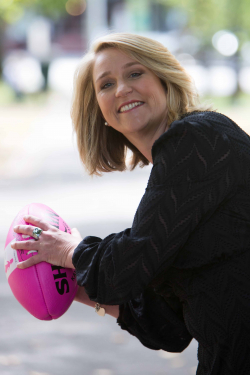
CEO Update - Kirsten Pilatti - Nov25
Dear Online Network community, As we approach the summer and holiday season, I want to take a moment to check in with you all and highlight some of the important campaigns and support services BCNA offers. 👀 October was a month of pride and purpose as we launched our new Know Yourself. Feel Yourself. breast awareness campaign. It was important that we could harness the passion and experiences of our network to help rebuild confidence among young women. While awareness of breast cancer may be high, we now need the Australian community to move from awareness to action. I loved being at Bondi Beach, where hundreds of women stepped into our mirrored booths to learn how to check their breasts with confidence. The energy, connection, and courage on display were truly inspiring. If you haven’t already watched our new educational video, I encourage you to do so - and please share it with your friends, family, and networks. You are our best champions for helping spread this life-saving message. 🏃 Looking ahead, we’re all limbering up for one of BCNA’s biggest events of the year—Carman’s Fun Run in Melbourne. Join me and thousands of runners, walkers, and joggers as we take on 5km, 10km, or the half marathon! It’s a great way to kick off the new year, do something positive for yourself, and raise vital funds to support people affected by breast cancer. You can register here. 👉 Don't forget that we are here for you - we know that many medical services close during this time, which can be particularly challenging for those undergoing treatment. We want to ensure that anyone affected by breast cancer knows support is available including My Journey and My Care Kit. You are all familiar with our incredible Online Network community. When we completed our member experience survey last year, we heard that many people know we are here for when you are first diagnosed but didn’t realise the resources and support we have when people are through those difficult first few months – so I would love you to tell me..... 💬 What is your favourite BCNA information page, video, podcast that has helped and why? As always, please reach out to our helpline if you need anything at all - 1800 500 258 9am-5pm AEDT - we are here and together we are stronger ❤️ Cheers KP Kirsten Pilatti, CEO, BCNA55Views4likes0Comments