research
49 TopicsAI Breast Cancer Risk Tool Back in the Spotlight 🧠
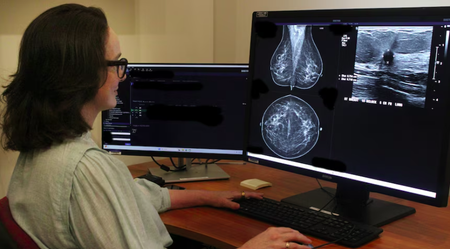
A topic that's come up in our Online Network in recent times is making headlines again - the use of artificial intelligence (AI) to better predict breast cancer risk. ABC News has reported on the new Australian research showing that an AI tool called 'BRAIx' can identify women at high likelihood of developing breast cancer even when their mammograms show no signs of cancer. Read more via the link Artificial intelligence detects high breast cancer risk in women given all-clear According to the study, 1 in 10 women who fell in the top 2% of risk scores did go on to develop breast cancer, despite having been given the “all clear” at screening. The team behind the project says the tool could be ready for wider use within about five years, potentially opening the door to more personalised screening rather than the current one‑size‑fits‑all approach.109Views4likes2Comments🔬 Current Research Exploring the Role of AI in Breast Cancer
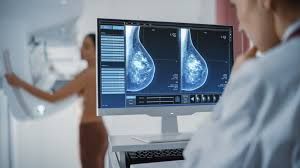
There’s been a bit of buzz lately about artificial intelligence (AI) and how it might play a role in breast cancer screening and risk prediction. For many of us, AI can feel a bit mysterious or even intimidating - so let’s explore it! 👀AI Might Help Spot Breast Cancer Breastcancer.org explains that AI programs are being trained to look at mammograms (sometimes millions of them) to learn what typical breast tissue looks like and what might be a sign of cancer. The idea is that AI may pick up tiny changes or patterns that are easy for the human eye to miss. Researchers hope this could help radiologists detect cancer earlier or decide which images need to be reviewed first. AI is also being tested on other scans like ultrasounds and MRIs. It’s already being used in some parts of Europe, though it’s not standard everywhere yet. At this stage, it’s not about replacing radiologists but supporting the - almost like having an extra pair of very detail‑focused eye. Read more here 🧬Using AI to Understand Personal Risk Another interesting development is happening here in Australia. The VCCC Alliance is sharing early work from the BRAIx project, which uses AI to help predict a person’s risk of developing breast cancer. The system looks at mammogram images from more than 95,000 women and uses advanced computer models to estimate who might be at higher risk in the future. The hope is that AI could help create more personalised screening, meaning people who need extra monitoring might be identified earlier, while others might avoid unnecessary tests. The project is also exploring how AI might help reduce false alarms and missed cancers, two challenges in current screening processes. Read more here ✨Why This Is Interesting (and Why We’re Still Watching Closely) All of this raises some very natural questions: Could AI one day help detect cancers earlier? Might it offer more tailored screening for individuals? How do we make sure it’s safe, fair, and reliable? Researchers are excited about the possibilities, but they also emphasise caution. AI needs ongoing testing and real‑world evaluation before it becomes part of everyday care. For now, it’s simply an area worth watching with curiosity. It may one day become another useful tool in breast cancer screening and risk prediction but like all medical advances, it will take time, evidence, and thoughtful conversation. 💬Let us know your thoughts on this in the comments!69Views2likes0CommentsOmico - 'Cancer and Genomics Webinar'
I recently attended Omico's 'Cancer and Genomics Webinar' which I found insightful. The webinar is now available to watch on demand—whether you missed it, want to revisit key insights, or share it with others who may benefit: Webinar Recording What’s Covered in the Webinar: ✔️ The role of precision oncology and CGP in today’s cancer care ✔️ Partnering with your oncologist to explore CGP and targeted treatments ✔️ Understanding clinical trials—how matching works and what participation involves ✔️ A Q&A with genomics experts, clinicians, nurses, and patients82Views0likes1CommentStop telling women they are too young to have breast cancer
Early-onset breast cancer now accounts for over one-fifth of all breast cancer cases in Victoria, with 1,067 diagnoses out of 5,197 breast cancer cases. The increase is indicative of a national trend. Breast Cancer Network Australia (BCNA) is calling for greater awareness, more research, and tailored prevention efforts to address the steady increase in breast cancer diagnoses among women aged 25 to 49, as highlighted in Cancer Council Victoria’s Cancer in Victoria 2023 report. For more information, read BCNA's Stop telling women they are too young to have breast cancer media release.475Views4likes11Comments
Garvan Institute of Medical Research - Annual Breast Cancer Public Lecture 2024
Hi all, Just watched the annual presentation from the Garvan on the state of breast cancer research in 2024 - it was very interesting and I thought others might find it useful. For those on Facebook: https://fb.watch/v6V4Y2N2_B For those not on Facebook I've uploaded a copy to YouTube: https://youtu.be/5CPHZuYuQDM George86Views3likes0CommentsTake part in research to improve our online services
We’re inviting members of the Online Network to help us improve our website and online services. This work is part of a project that aims to improve access to relevant information and support that is tailored to your personal preferences and experiences of breast cancer. It will cover My Journey and the Symptom Tracker, the Online Network and parts of the website. Between April and June, we’re running online research activities to help us design and test new features and other changes. Activities range from short and simple surveys to one-on-one interviews or group workshops. Your feedback is important to make sure we deliver what is most useful and usable for people affected by breast cancer. Read about the activities you can take part in and, if you’re interested in taking part, fill out the ‘expression of interest’ form and we’ll be in touch.82Views0likes0Comments
Participate in a research survey to assess the quality of Online Network
BCNA is committed to making improvements to the Online Network on a regular basis and values user input and experience in driving these improvements. You are invited to participate in a study relating to how you perceive the quality of the BCNA Online Network when seeking information and support for cancer. This questionnaire will take about 15-20 minutes of your time. If you decide to participate, you will be asked to answer questions about how you perceive the quality of BCNA Online Network, if you decide to continue using BCNA Online Network, and the impact on psychosocial outcomes. Your participation in this survey is entirely voluntary and anonymous. Participants can enter their email addresses at the end of the survey if they wish to receive a “THANK YOU” gift of 10 AUD in the form of an e-voucher. If you are affected by cancer, 18 years of age and over, have used or are still using BCNA Online Network, and are interested to participate in the survey, please visit the following link: https://limesurvey.mq.edu.au/index.php/242914?lang=en119Views2likes0CommentsRemembering Olivia Newton-John
We were all saddened by yesterday's news that Olivia Newton-John had passed away. She was an inspiration to many, as she very generously chose to open up her life and share her story to help others affected by breast cancer. We know it was a tough day for many in our network, but it was also an opportunity to celebrate Olivia's dedication to improving patient-centred care and raise awareness of metastatic breast cancer. What a legacy to leave behind and one BCNA is proud to continue in our mission to ensure everyone affected by breast cancer receives the very best care, treatment and support. Yesterday we were honoured to be asked to talk about Olivia's work and impact on breast cancer research and treatment. Our CEO, Kirsten Pilatti, and Director of Policy, Advocacy and Support Services, Vicki Durston, spoke with media outlets The Age, Mamamia, ABC and 3AW about Olivia's dedication to looking after the whole person and not only treating the disease - something BCNA is also passionate about. If hearing this news has been hard for you, our Helpline can offer support so please call them on 1800 500 258.181Views2likes0Comments
Online Q & A Event - Breast Cancer 2021: Research, Risks and Recovery - Thu, 4 Feb 6:00 PM – 7:00 PM
Join Breast Cancer Trials and Australia's top breast cancer experts for a virtual Q&A to discuss the latest in breast cancer research. https://www.eventbrite.com.au/e/breast-cancer-2021-research-risks-and-recovery-registration-132884618471 I registered for this event. The previous one was interesting.242Views5likes5Comments
Research - share your experiences of returning to work following a breast cancer diagnosis
Researchers at Monash University are undertaking a study to understand the perspectives and experiences of people affected by breast cancer regarding returning to paid work following a breast cancer diagnosis. Who can participate? You can participate in this study if you: have been diagnosed with breast cancer in the past five years. Took some time off from paid work following your diagnosis of breast cancer and have since returned to paid employment. What does the study involve? The study involves participating in a 45-60 minute telephone interview with a student researcher at Monash University. During the interview, you will be asked some questions about how you made your decisions about paid work following your diagnosis of breast cancer, whether you took time off or modified your duties, what information you used when deciding when to return to work and what support, information or other factors helped most with returning to work and what were the main challenges you experienced. Your responses will be confidential and your name will not be included in any publication. As a thank you for participating in the interview, you will receive a $25 Coles Myer voucher. How do I take part? To participate in the study or for more information, please contact either Christine Malios ([email protected]; (03) 99054684) or Dianne Sheppard ([email protected]; (03) 99051860) from Monash University. More information is also available in the Explanatory Statement about the research.301Views0likes0Comments